


Landlord-tenant relationships in India, essential for housing millions, often become intricate webs of disputes. From rent payments to property maintenance, these issues can lead to prolonged legal battles. In this comprehensive guide, we delve into the legal sections pertinent to Indian law, explore the enforcement mechanisms, and highlight the key differences between the Model Tenancy Act and the Easement Act. Additionally, we will outline the specific sections of the Model Tenancy Act and discuss how and where petitions can be filed. Understanding the Legal Landscape Model Tenancy Act, 2021: A Beacon of Regulation At the forefront of resolving landlord-tenant conflicts is the Model Tenancy Act, 2021, introduced by the Union Cabinet. This legislation meticulously defines the rights and obligations of both parties, bringing much-needed clarity to the rental housing sector. The Act designates Rent Courts as the authoritative forums for addressing disputes, setting the stage for a systematic approach. Key Sections of the Model Tenancy Act 1. Section 3 – Agreement in Writing: Mandates that all tenancy agreements must be in writing and provides guidelines on the essential components of such agreements. 2. Section 4 – Security Deposit: Specifies the maximum security deposit that can be demanded and the conditions for its refund. 3. Section 5 – Rent and Maintenance Charges: Outlines the procedure for determining rent and maintenance charges, ensuring transparency and fairness. 4. Section 6 – Rights and Duties of Landlords and Tenants: Clearly defines the rights and duties of both parties, creating a balanced framework for coexistence. 5. Section 7 – Eviction Process: Details the legal process for eviction, including notice periods and grounds for eviction. 6. Section 8 – Rent Court Jurisdiction: Specifies the jurisdiction of Rent Courts for dispute resolution, promoting a specialized and efficient legal process. 7. Section 9 – Dispute Resolution Procedure: Outlines the procedure for dispute resolution, encouraging negotiation and mediation before resorting to legal action. Filing Petitions under the Model Tenancy Act Petitions related to the Model Tenancy Act, 2021, are typically filed in the Rent Court having jurisdiction over the area where the rented property is located. The process involves submitting a written petition outlining the details of the dispute, followed by hearings and a legal determination. Easement Act: A Crucial Element in Property Rights In the labyrinth of landlord-tenant relationships, the Easement Act plays a crucial role. Unlike the Model Tenancy Act, which primarily focuses on defining and regulating the landlord-tenant relationship, the Easement Act deals with property rights and interests, specifically easements. Key Sections of the Easement Act 1. Section 4 – Rights and Liabilities of Easement Holders: Specifies the rights and liabilities of those granted easements, ensuring a clear understanding of property rights. 2. Section 5 – Termination of Easements: Outlines the circumstances under which easements may be terminated, providing a legal framework for resolving disputes. 3. Section 6 – Maintenance of Easements: Defines the responsibilities of easement holders and property owners regarding the maintenance of easements. Filing Petitions under the Easement Act Petitions related to the Easement Act are typically filed in civil courts. The process involves submitting a petition outlining the specific easement-related dispute, after which the court will conduct hearings and provide a legal resolution. When to Use Each Act – Model Tenancy Act: Use this when dealing with issues directly related to the landlord-tenant relationship, such as rent disputes, maintenance, eviction, and property damage. – Easement Act: Invoke this when dealing with property rights and interests, especially situations where the tenant may have specific rights over the landlord’s property. Conclusion: A Harmonious Future with Legal Clarity Navigating landlord-tenant disputes in India requires a comprehensive understanding of the legal landscape, adherence to the Model Tenancy Act, and awareness of the Easement Act. By embracing these legal frameworks and fostering communication, the rental housing sector can evolve into a harmonious space where conflicts are minimized, and both landlords and tenants coexist with mutual respect and understanding. Understanding the nuances of each act is key to ensuring the appropriate legal remedy is sought in any given situation.
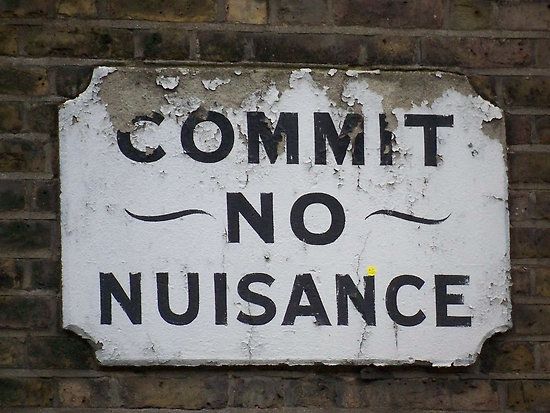
Introduction: Living peacefully in your home is a fundamental right, but sometimes, disputes with neighbors can disrupt that tranquility. Private nuisance cases arise when the actions of one property owner negatively impact another. In this blog, we’ll explore the various types of petitions you can file under Indian law to seek quick relief from nuisances caused by your neighbors. 1. Understanding Private Nuisance: Private nuisance refers to the interference with an individual’s right to use and enjoy their property. This could include issues like loud noises, unpleasant odors, or even hazardous conditions created by a neighbor. 2. Types of Petitions You Can File: a. Noise Complaints: File a petition under Section 133 of the Code of Criminal Procedure, detailing the type, frequency, and duration of the noise. b. Odor Complaints: File a petition under Section 19 of the Air (Prevention and Control of Pollution) Act, addressing unpleasant smells emanating from your neighbor’s property. c. Environmental Hazards: File a petition under Section 15 of the Environment (Protection) Act, if your neighbor’s activities create pollution or unsafe conditions. 3. Steps to Obtain Quick Relief: a. Documentation: Keep a detailed record of the nuisance, including dates, times, and the nature of the disturbance. b. Communication: Attempt to resolve the issue amicably by discussing it with your neighbor. If this fails, you have a stronger case with evidence of your attempts to resolve the matter informally. c. Legal Notice: Send a legal notice under Section 80 of the Code of Civil Procedure to your neighbor, outlining the nuisance and the actions you expect them to take to rectify the situation. 4. Filing a Lawsuit: a. Consult an Attorney: Seek legal advice under Section 30 of the Advocates Act to understand the strength of your case and the appropriate legal remedies available. b. Court Petition: If informal resolutions fail, file a petition in the appropriate court under Order VII, Rule 1 of the Code of Civil Procedure, presenting your case and seeking relief. c. Temporary Injunction: Request a temporary injunction under Order XXXIX of the Code of Civil Procedure to address the nuisance promptly while the case is ongoing. 5. Alternative Dispute Resolution (ADR): a. Mediation: Explore mediation under Section 89 of the Code of Civil Procedure to reach a mutually agreeable solution outside the courtroom. b. Arbitration: If mediation fails, consider arbitration under Section 11 of the Arbitration and Conciliation Act as a quicker alternative to traditional litigation. 6. Conclusion: Dealing with private nuisances can be challenging, but understanding your legal options and taking strategic steps can help you obtain quick relief under Indian law. Always consult with legal professionals to ensure you’re navigating the legal landscape effectively. Remember, at ProLegalMinds, we’re here to guide you through legal complexities and ensure a swift resolution to your private nuisance concerns. Contact us today for personalized legal assistance. #ProLegalMinds #LegalGuidance #PrivateNuisance #LegalRelief #NeighborDisputes #IndianLaw For Legal Advise consult

Introduction Private nuisance, in the legal realm, refers to the unlawful interference with an individual’s right to use and enjoy their property. This interference may manifest as loud noises, offensive odors, water pollution, or any activity that significantly and unreasonably disrupts a person’s right to utilize and appreciate their property. In India, private nuisance can be a multifaceted issue, encompassing both civil and criminal aspects, with its legal framework embedded in the Indian Penal Code (IPC), Criminal Procedure Code (CrPC), and the Code of Civil Procedure (CPC). In this comprehensive guide, we will delve deep into the concept of private nuisance, its legal implications, and the intricate steps involved in addressing it within the contexts of both civil and criminal law. Understanding Private Nuisance: Private nuisance arises when the actions or behaviors of one individual or entity cause substantial inconvenience, annoyance, or harm to another person’s property rights. These actions may entail anything from noise pollution, offensive smells, and water contamination to any activity that unreasonably interferes with an individual’s right to use and enjoy their property. Civil Remedies for Private Nuisance: Section 91 of the CPC – Private nuisance cases typically fall under the purview of the Code of Civil Procedure (CPC). In civil suits, the affected party can initiate legal proceedings against the alleged wrongdoer, seeking compensation for the damages resulting from the nuisance. The court examines the evidence and, if the nuisance’s substantial nature is proven, may grant an injunction to halt the offending activity. Criminal Remedies for Private Nuisance: Criminal Intimidation (Section 503 IPC) – If the nuisance adopts a more menacing form, such as intimidation, it can be addressed through Section 503 of the IPC. In such cases, the affected party has the option to file a criminal complaint against the wrongdoer for intimidation. Public Nuisance (Section 268 IPC) – On certain occasions, a private nuisance can escalate into a public nuisance, affecting a larger populace. Section 268 of the IPC categorizes the creation of a public nuisance as a criminal offense. This encompasses acts that endanger human life or safety or disrupt the well-being of a significant number of people. Procedure for Addressing Private Nuisance: 1. Collecting Evidence: The initial step entails accumulating compelling evidence of the nuisance. This evidence may include photographs, videos, witness statements, medical reports, or any pertinent data, depending on the specific nature of the nuisance. 2. Filing a Complaint: In a civil case, the afflicted party must instigate a civil suit in the appropriate court, as per Section 91 of the CPC. In criminal cases, a complaint should be lodged with the police under the relevant sections of the IPC. 3. Investigation and the Role of the Police: In criminal cases, law enforcement agencies will conduct a meticulous investigation, encompassing the recording of statements, gathering evidence, and, if necessary, filing charges against the wrongdoer. The police’s role is pivotal in substantiating the criminal aspects of the private nuisance. 4. Court Proceedings: In civil cases, the court conducts hearings, scrutinizes the evidence, and deliberates on whether the private nuisance is substantial and warrants compensation or an injunction. In criminal cases, the court adjudicates based on the evidence, determining whether the wrongdoer is guilty of criminal intimidation or creating a public nuisance. 5. Remedies: If the court rules in favor of the afflicted party, it can award damages or grant an injunction in civil cases. In criminal cases, the court may impose fines or other punitive measures as appropriate. Conclusion Private nuisance laws in India are intricate and require a profound understanding, making legal expertise crucial for individuals and communities seeking resolution. Whether you are the affected party or the accused, navigating the complex landscape of private nuisance can be challenging. If you believe you are being affected by a private nuisance or are facing allegations, seeking professional legal counsel is imperative. ProLegalMinds specializes in addressing these nuances and can provide you with the guidance needed to safeguard your rights and seek a fair resolution. In this comprehensive guide, we have covered the foundational aspects of private nuisance, encompassing both civil and criminal dimensions, and elucidated the procedures required to address it. The intricacies of private nuisance cases demand expertise, and ProLegalMinds stands ready to offer support, protection of your rights, and a path toward a just resolution. For expert legal guidance and unwavering support in private nuisance cases, reach out to ProLegalMinds today. We are committed to safeguarding your rights and ensuring an equitable resolution. For expert legal guidance aconsult ProLegalMinds. Contact us at +91-7799518123 or visit prolegalminds.com to speak with our legal experts today.Click the link https://lnkd.in/gpS-Vnft to schedule your appointment now.