


In today’s competitive business landscape, intellectual property (IP) has become a cornerstone of success. Whether you’re a startup with innovative ideas or an established brand, safeguarding your intellectual assets is crucial. This blog explores the strategies and legal insights that businesses in India need to navigate the complex realm of intellectual property. Understanding Intellectual Property: Intellectual property comprises trademarks, copyrights, patents, and trade secrets. Each category serves a unique purpose in protecting different types of creative and innovative works. 1. Trademarks: Building Brand Identity – Trademarks are essential for establishing brand identity. Explore the registration process, benefits, and enforcement strategies for trademarks in India. Highlight ProLegalMinds’ expertise in guiding businesses through the registration journey. 2. Copyrights: Safeguarding Creative Works – Copyright protection extends to literary, artistic, and musical creations. Discuss the importance of copyrights, the registration process, and ProLegalMinds’ role in ensuring comprehensive protection for creative works. 3. Patents: Securing Innovations – For groundbreaking inventions, patents offer exclusive rights. Explore the patent application process, the significance of patent searches, and ProLegalMinds’ proficiency in helping businesses navigate patent complexities. 4. Trade Secrets: Confidentiality Matters – Often overlooked, trade secrets are critical for maintaining a competitive edge. Shed light on the importance of confidentiality agreements, internal policies, and ProLegalMinds’ approach to safeguarding trade secrets. Legal Insights and Enforcement: 1. IP Litigation in India: – Delve into the legal landscape of IP litigation, discussing ProLegalMinds’ track record in representing clients in disputes, including cease-and-desist actions and infringement cases. 2. International Considerations: – Explore how businesses operating globally can protect their IP rights, touching on international treaties, conventions, and ProLegalMinds’ expertise in navigating cross-border IP issues. Proactive Measures and ProLegalMinds’ Expertise: 1. Comprehensive IP Audits: – Advocate for regular IP audits as a proactive measure. Highlight ProLegalMinds’ ability to conduct thorough audits, identifying vulnerabilities and recommending protective measures. 2. Enforcement Strategies: – Discuss the proactive enforcement strategies that businesses can adopt, emphasizing ProLegalMinds’ commitment to swift and effective legal action when IP rights are infringed. Conclusion: In a dynamic business environment, protecting intellectual property is not just a legal necessity; it’s a strategic imperative. ProLegalMinds stands as a reliable partner for businesses seeking to fortify their intellectual assets. By offering strategic advice, facilitating registrations, and providing robust enforcement, ProLegalMinds ensures that your intellectual property remains a valuable and secure asset in the competitive market. Ready to fortify your intellectual property? Contact ProLegalMinds today For further assistance and guidance, feel free to reach out to us at ProLegalMinds via email at hello@prolegalminds.com or by phone at +91-7799518123. We’re committed to providing the best legal support and ensuring your rights are protected. 💪

In today’s fiercely competitive world, your intellectual property (IP) assets, including brand names, recipes, product designs, and internal documents, are invaluable. Protecting them is crucial not only for your business’s success but also for preserving your creative and innovative efforts. In this comprehensive guide, we’ll delve into the nuances of safeguarding your intellectual property, taking legal action in case of violations, and the key considerations along the way. Understanding Intellectual Property: 1. Trademarks: Trademarks are crucial for establishing and protecting your brand identity. They can include brand names, logos, and slogans. Register your trademarks with the appropriate government agency to secure legal ownership and exclusive rights to use them in your business. 2. Copyrights: Copyrights protect original works of authorship, such as literary, artistic, or musical creations, from being copied, distributed, or reproduced without your permission. Registering your copyrights strengthens your legal position in case of infringement. 3. Patents: Patents provide legal protection for inventions or processes. If your business relies on unique products or methods, obtaining patents is essential to prevent others from using your innovations without your consent. 4. Trade Secrets: Trade secrets are confidential pieces of information that give your business a competitive advantage. These can include formulas, recipes, customer lists, and manufacturing processes. Use nondisclosure agreements (NDAs) to protect trade secrets when sharing them with employees, partners, or contractors. Safeguarding Your Intellectual Property: 1. Register Your IP: Begin by formally registering your IP with the relevant government authorities. This step is critical to establish legal ownership and exclusive rights. For trademarks, copyrights, and patents, registration offers a robust legal foundation for protection. 2. Confidentiality Agreements: When sharing sensitive information or trade secrets with employees, partners, or contractors, use nondisclosure agreements (NDAs) to protect your confidential data. These legally binding agreements prevent unauthorized disclosure or use of your proprietary information. 3. Regular Audits: Periodically evaluate your IP portfolio to ensure it remains up to date and in compliance with the law. This includes reviewing and updating trademark registrations, copyrights, and patents as needed. 4. Employee Training: Educate your staff about the importance of IP protection, confidentiality, and compliance. Create a culture of awareness within your organization to prevent accidental disclosures or infringements. Taking Legal Action: In the event of IP violations, you have several legal options: 1. Cease and Desist Letters: Initiate legal action by sending a cease and desist letter to the infringing party. This communication demands that they stop the violation immediately. In many cases, this initial step can resolve the matter without proceeding to court. 2. Alternative Dispute Resolution (ADR): Mediation or arbitration can be quicker and more cost-effective than court litigation. ADR offers a way to resolve IP disputes through negotiation, reducing the time and expenses associated with court proceedings. 3. Court Litigation: If necessary, you may need to file a lawsuit in the appropriate court to protect your intellectual property. The choice of court will depend on the nature of the IP and the jurisdiction. For instance: – Trademark Disputes: Typically, trademark cases are filed in the respective High Courts or District Courts, depending on the value and jurisdiction. – Copyright Infringements: Cases are heard in the Commercial Courts, which vary by state. – Patent Disputes: These cases are filed in the Commercial Courts or High Courts. – Trade Secret Violations: The courts that handle these cases vary based on the jurisdiction and specific laws. Key Considerations: – Evidence: Gather substantial evidence to prove your ownership of the IP and the infringement. Strong evidence will strengthen your legal position. – Cost: Legal proceedings can be expensive, and costs can vary significantly based on the complexity of the case and the court’s jurisdiction. Evaluate your budget and explore available legal aid or insurance to manage expenses. – Timelines: Legal processes can be lengthy, and the duration can vary depending on the complexity of the case and the court’s docket. Be prepared for a potentially protracted legal battle. – Chances of Winning: Consult with experienced intellectual property attorneys to assess the strength of your case and potential outcomes. The likelihood of success will depend on various factors, including the quality of your evidence and the specific IP laws governing your assets. In conclusion, safeguarding your intellectual property and taking legal action in case of violations is a complex and often expensive endeavor. Therefore, it’s essential to consult with experienced intellectual property attorneys who can guide you through the process, assess your chances of success, and help protect the assets that are vital to your business’s success. Remember, proactive protection is your best defense in preserving your intellectual property. For more information on protecting your intellectual property and legal options in case of infringement, feel free to contact ProLegalMinds, your trusted legal partner in safeguarding your business’s creative and innovative efforts. At ProLegalMinds, we’re committed to delivering comprehensive and tailored legal solutions. When you choose us, you’re choosing a trusted legal partner for a wide range of practice areas.Click the link https://lnkd.in/gpS-Vnft to schedule your appointment now. Speak to us on +91-7799518123
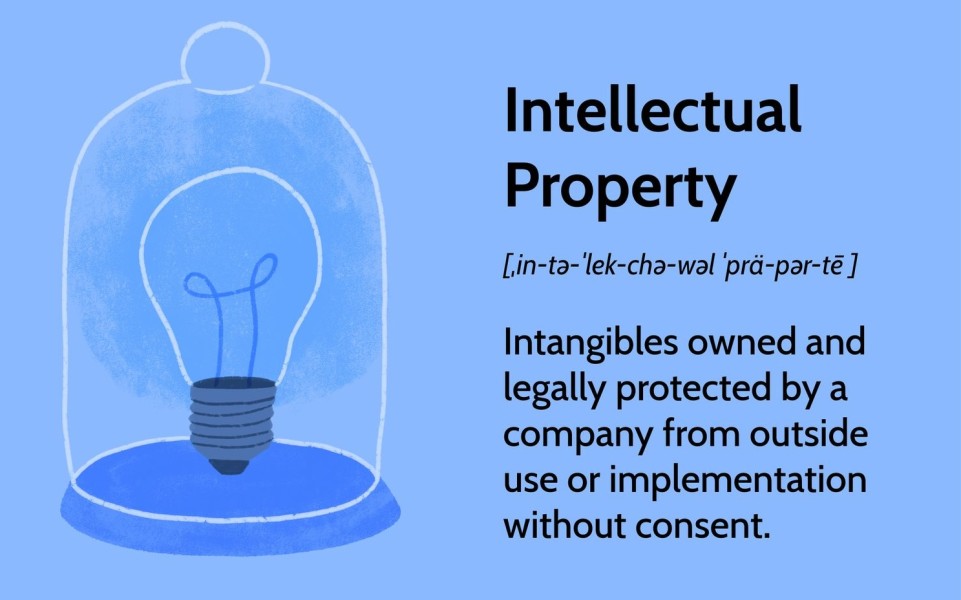
In the dynamic and innovation-driven landscape of today’s world, protecting intellectual property (IP) has become a paramount concern for individuals and businesses alike. Intellectual property encompasses creations of the mind, such as inventions, literary and artistic works, and symbols, names, and images used in commerce. As members of the legal community, we play a crucial role in safeguarding these creative assets. In this LinkedIn post, we’ll explore the importance of IP protection and the role of legal professionals in this process. 1. Defining Intellectual Property: Intellectual property can be broadly categorized into four key types: – Patents: Protecting inventions and new processes. – Trademarks: Safeguarding brand names, logos, and slogans. – Copyrights: Preserving creative works like books, music, and software. – Trade Secrets: Guarding confidential business information. Each category serves a unique purpose, and understanding which type of protection is appropriate for a given situation is a fundamental aspect of IP law. 2. Protecting Innovations with Patents: Patents are vital for inventors, creators, and businesses with groundbreaking innovations. By granting the exclusive right to use, make, or sell an invention for a specific period, patents encourage innovation and protect inventors’ financial interests. Legal professionals can help clients navigate the complex process of patent applications and ensure that their innovations are safeguarded. 3. Safeguarding Brand Identity with Trademarks: Trademarks are the embodiment of brand identity. Registering trademarks protects businesses from competitors using similar names, logos, or slogans, preventing consumer confusion. Legal professionals can assist in trademark registration and enforcement, ensuring that a brand’s image remains distinctive and valuable. 4. Preserving Creative Works with Copyrights: Copyrights protect the artistic expressions of individuals and organizations. Whether it’s a novel, a song, or a piece of software, copyright ensures that the creator has exclusive rights to their work. Legal experts can guide authors, artists, and software developers through the copyright process, from registration to enforcement. 5. Securing Trade Secrets: Trade secrets are confidential business information that provides a competitive advantage. Legal professionals help companies establish policies and agreements to protect these secrets, including non-disclosure agreements and restrictive covenants. In the event of a breach, they can also represent businesses in litigation. 6. The Role of Legal Professionals: Legal professionals are instrumental in helping clients protect their intellectual property. They provide guidance on the appropriate type of protection, assist in the application and registration processes, and represent clients in cases of infringement. They also stay updated on evolving IP laws and international treaties that impact their clients’ interests. Conclusion: In an era defined by innovation, intellectual property protection has never been more critical. Legal professionals, as guardians of creative assets, play a pivotal role in ensuring that inventors, creators, and businesses can thrive in a competitive landscape. By offering expert guidance on patents, trademarks, copyrights, and trade secrets, we help our clients safeguard their intellectual property, fostering innovation and creativity. Let’s continue to champion the protection of intellectual property, nurturing an environment where creativity and innovation can flourish. #IntellectualProperty #LegalProfessionals #IPProtection #ProLegalMinds