

🏛️ Introduction The Indian digital ecosystem is growing at an unprecedented pace. However, with increased content generation comes greater legal scrutiny, especially regarding obscenity, indecent representation, and child protection laws. Recently, the Supreme Court of India restrained a popular podcaster’s digital shows over alleged obscenity charges. This incident has once again brought attention to the stringent legal framework governing online content in India. In this blog, we explore: 1. Understanding “Obscenity” in Indian Law 1.1. Meaning of Obscenity The term ‘obscenity’ is not precisely defined but is understood in judicial interpretation. In Aveek Sarkar v. State of West Bengal (2014) 4 SCC 257, the Supreme Court clarified: “Obscenity must be judged from the point of view of an average person, applying contemporary community standards.” Thus, whether content is obscene depends on: 2. Applicable Laws on Digital Obscenity (Post-2024) 2.1. Bharatiya Nyaya Sanhita, 2023 (BNS) (Replacing IPC from 1st July 2024) Bare Act Provision: Section 292 BNS: “Sale, hire, distribution, public exhibition, circulation, import, export, or advertisement of obscene books, pamphlets, papers, drawings, paintings, representations, figures, or any other obscene object shall be punishable.” Explanation: “Obscenity” includes anything which: In-depth Explanation: Punishments: Offense Punishment First Conviction Up to 2 years imprisonment and/or fine. Subsequent Conviction Up to 5 years imprisonment and fine. Example: 2.2. Information Technology Act, 2000 (Amended 2024) Bare Act Provision: Section 67 IT Act: “Whoever publishes or transmits or causes to be published or transmitted in the electronic form, any material which is lascivious or appeals to the prurient interest, or if its effect is such as to tend to deprave and corrupt persons…” In-depth Explanation: Punishments: Offense Punishment First Conviction Up to 3 years imprisonment and fine up to ₹5 lakh. Subsequent Conviction Up to 5 years imprisonment and fine up to ₹10 lakh. Example: 2.3 The Indecent Representation of Women (Prohibition) Act, 1986 Bare Act Provision: Section 3: “No person shall publish, or cause to be published, or arrange or take part in the publication or exhibition or any advertisement which contains indecent representation of women in any form.” Section 4: “No person shall produce, sell, let to hire, distribute, circulate or send by post any book, pamphlet, paper, slide, film, writing, drawing, painting, photograph or representation containing indecent representation of women in any form.” Definition under Section 2(c): “Indecent representation of women” means the depiction in any manner of the figure of a woman, her form or body or any part thereof in such a way as to have the effect of being indecent, or derogatory to, or denigrating women, or is likely to deprave, corrupt or injure public morality.” In-depth Explanation: Penalties: Practical Application in Digital Era: Although the Act did not originally include digital media, by interpretative extension and through combined reading with the Information Technology Act, 2000, online publishers are now also held accountable. Example: Recent Developments: 2.4 The Protection of Children from Sexual Offences Act, 2012 (POCSO Act) Bare Act Provision: Section 11: “Whoever, intending to or knowing it to be likely that he will thereby cause sexual harassment to a child, — (a) utters any word or makes any sound, or makes any gesture or exhibits any object or part of body with the intention that such word, sound, gesture or object or part of body shall be heard or seen by the child; (b) makes a child exhibit his body or any part of his body so as it is seen by such person or any other person; © shows any object to a child in any form or media for pornographic purposes; or (d) repeatedly or constantly follows or contacts the child either directly or through electronic, digital or any other means;…” Section 13: “Whoever uses a child in any form of media (including program or advertisement, telecasting, distribution, display) for sexual gratification is said to commit the offence of using a child for pornographic purposes.” In-depth Explanation: Penalties: OffensePunishmentSexual harassment (Section 11)Up to three years imprisonment and fine.Use of child for pornography (Section 13)Rigorous imprisonment from five years to seven years, extendable for aggravated forms. Practical Application: Example: Landmark Cases: 3. Landmark Cases and Precedents 3.1. Aveek Sarkar v. State of West Bengal (2014) 3.2. Shreya Singhal v. Union of India (2015) 3.3. Recent 2024 SC Directive 4. Remedies If Someone is Charged If a person faces an obscenity charge, immediate legal steps include: 4.1. Engaging Legal Counsel 4.2. Filing for Anticipatory Bail 4.3. Challenging FIR/Proceedings 4.4. Compliance Corrections 5. How Content Creators Can Avoid Obscenity Charges 🔥 Conclusion With the evolving digital landscape, the boundaries of free expression and legal responsibility are tightening. Content creators, publishers, and even viewers must tread carefully, understanding the fine balance between creativity and compliance. Laws like BNS 2023, IT Act 2000, POCSO 2012, and Indecent Representation Act now actively regulate the Indian digital space. 💬 If you are facing or anticipating any legal issue regarding online content, consult expert legal advisors immediately to safeguard your rights and interests. ✍️ Authored By: ProLegalMinds — Legal Solutions for the Digital Era 🌐 Website: prolegalminds.com 📞 Call: +91 94940 51717 📱 WhatsApp: +91 94940 51717 🔗 LinkedIn: ProLegalMinds LinkedIn
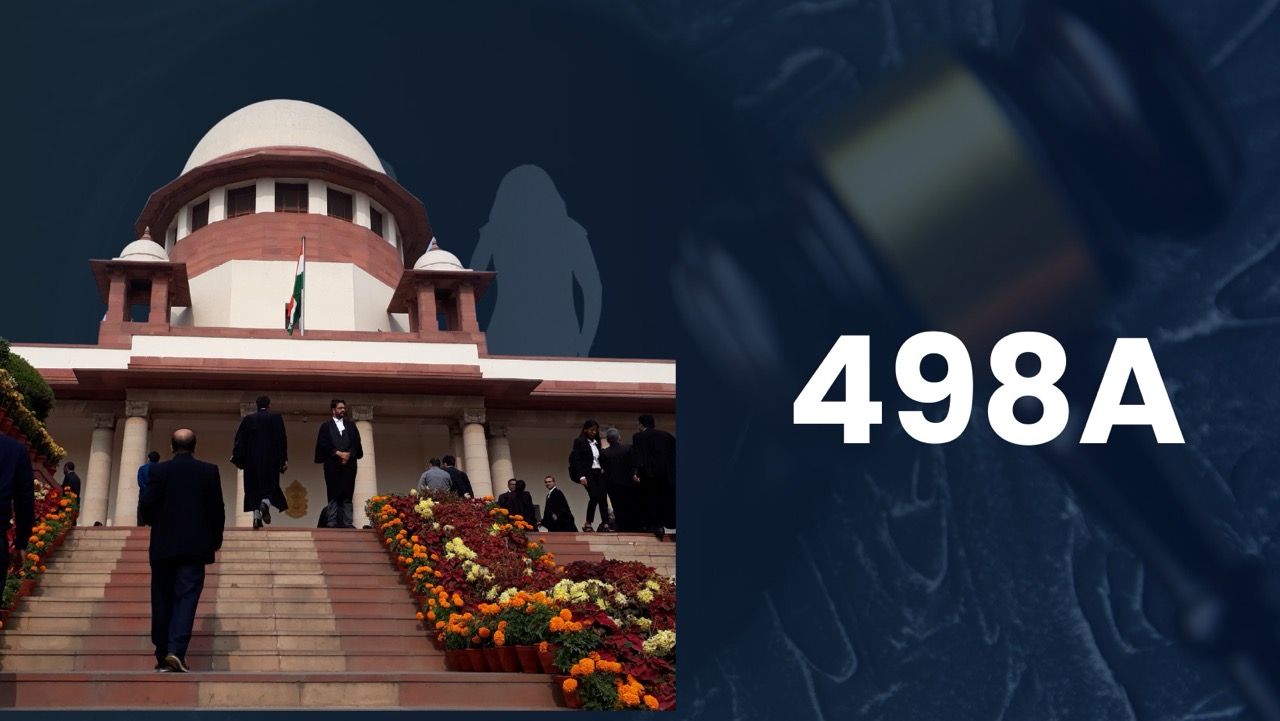
In a recent case titled “ACHIN GUPTA versus STATE OF HARYANA & ANR.”, the Supreme Court has raised significant concerns regarding the misuse of Section 498A of the Indian Penal Code (IPC) by wives against their husbands and in-laws. The Court, in its Criminal Appeal No. 2379 of 2024 arising out of SLP (Crl.) No. 4912 of 2022, urged the Parliament to introduce necessary amendments to the Bharatiya Nyaya Sanhita, 2023 (“BNS”), which includes provisions similar to Section 498A of IPC, such as Sections 85 and 86. The bench, comprising Justices JB Pardiwala and Manoj Misra, emphasized the need for legislative action, stating, “We request the Legislature to look into the issue as highlighted above taking into consideration the pragmatic realities and consider making necessary changes in Sections 85 and 86 respectively of the Bharatiya Nyaya Sanhita, 2023, before both the new provisions come into force.” Highlighting the similarity between the new provisions in BNS and Section 498A of IPC, the Court noted that while the text is nearly identical, the explanation to Section 498A of IPC is now a separate provision, i.e., Section 86 of the Bhartiya Nyaya Sanhita, 2023. This concern over the misuse of Section 498A is not new. In the case of Preeti Gupta v. State of Jharkhand (2010), the Court had previously expressed concerns about exaggerated complaints under Section 498A and urged legislative action to address these issues in light of practical realities and public opinion. Echoing the sentiments of the Preeti Gupta case, the judgment authored by Justice JB Pardiwala directed the Supreme Court registry to provide copies of the judgment to the Union Home Minister and Union Minister of Law & Justice for their attention. Background of the Case: The case originated from a divorce petition filed by the husband citing cruelty. In response, the wife filed an FIR against the husband under various sections of the IPC, including 498A. The High Court declined to quash the criminal case against the husband, citing the criteria outlined in the State of Haryana v. Bhajan Lal judgment, which allows quashing only in cases of manifestly malicious proceedings. Challenging the High Court’s decision, the husband appealed to the Supreme Court. Judgment: The Supreme Court observed that if criminal proceedings are initiated with the intention to harass the accused, the High Court should use its inherent powers under Section 482 of the Cr.P.C. to quash such proceedings. In this case, the Court concluded that continuing the criminal proceedings would amount to abuse of process and injustice. Therefore, the Court quashed the case against the accused/appellant. Furthermore, the Court directed that Section 498A IPC should not be applied mechanically in all complaints filed by wives. It emphasized that not all marital disputes amount to cruelty under the law. Conclusion: The Supreme Court’s stance underscores the need for balanced application of laws to prevent their misuse. The Court’s directives highlight the importance of considering practical realities and public opinion in legislative and judicial processes.

According to Indian Law, IPC Section 498A states, “Husband or a relative of the husband subjecting a woman to cruelty shall be subject to imprisonment for a term of three years and shall also be liable to a fine.” In today’s context, Section 498A IPC is often used by women in India to file complaints against their husbands for various forms of cruelty, whether physical, mental, or psychological. The punishment for a Section 498A case is well-known, as numerous cases have come to the forefront. Over the past seven decades, India has witnessed the creation and amendment of many women protection laws aimed at safeguarding the rights of Indian women. However, recent years have seen activists questioning these laws’ biases, advocating for harassed women to consider divorce proceedings. This misuse of Section 498 IPC has increased in recent times, mainly because there isn’t a clearly defined and straightforward mutual divorce process in place. Consequently, Section 498A often becomes the preferred choice for settling personal scores, leading to a clear disparity in the legal system, where the abuse suffered by men is not given equal recognition or protection. How can one protect themselves against a Section 498A IPC case’s potential misuse? Indian laws do have some remedies to address this concern: 1. Collect All Evidence & Documents: Gathering substantial evidence is the first step in refuting a false accusation. This can include preserving any communication between you, your family, your wife, or her relatives, such as SMS, emails, letters, and call recordings. 2. Get an Anticipatory Bail: If you anticipate a Section 498A complaint, hire a criminal defense lawyer to seek an anticipatory bail to prevent arrests. Anticipatory bail is a precautionary measure to avoid potential arrests and is filed under Section 438 of CrPC. 3. Get the 498A FIR Quashed: It’s possible to get a false 498A FIR quashed by the High Court under Section 482 of CrPC if you have substantial proof. 4. File an FIR Against Your Wife: In case your wife threatens to file a false 498A case, you can also file an FIR against her for blackmail or making a false complaint. 5. File a Case for Restitution of Conjugal Rights (RCR): If your wife has left your matrimonial home, you can file an RCR case against her under Section 9 of the Hindu Marriage Act, specifying the terms and conditions for her return. 6. File a Defamation Case: If your wife maligns your image by filing a false 498A case, you can file a defamation case against her. The duration of a 498A case primarily depends on the evidence presented and how effectively your lawyer represents your case in court. The frequent misuse of Section 498A has prompted the Supreme Court to implement new guidelines to prevent such misuse: 1. Family Welfare Committees must be established in every district by District Legal Services Authorities to handle Section 498A cases. 2. All 498A complaints received by the police or magistrate must be sent to this committee, which should submit a report within 30 days. 3. No arrest should be made until a report from the committee is received. 4. If an anticipatory bail for 498A is filed, it must be decided within a day. 5. Personal appearances may not be required in court, and video conferencing should be allowed for outstation family members. While Section 498A serves to protect women against cruelty and dowry-related issues, it’s essential to be aware of your legal rights and how to use them in the event of a false accusation. Securing Your Rights While the law is intended to protect women from harassment and dowry-related issues, individuals facing false accusations under Section 498A IPC have several legal provisions to consider. Here are some sections that may help you in case you need to file a counter case against your wife: These legal provisions empower individuals to defend their rights and reputation when faced with false accusations or threats. It’s essential to understand your legal options and use them judiciously. For further assistance and guidance, feel free to reach out to us at ProLegalMinds via email at hello@prolegalminds.com or by phone at +91-7799518123. We’re committed to providing the best legal support and ensuring your rights are protected. 💪 #LegalRights #Section498A #LegalRemedies #ProLegalMinds #LegalProtection #LegalAdvice #LegalSupport #IndianLaw #LegalSystem #ProtectYourRights Ready to take action? Click the link below to schedule your appointment now. Speak to us on +91-7799518123. Your path to legal protection starts here: [Schedule Your Appointment]( https://meetings.hubspot.com/shiva20 )

In recent years, pre-nuptial agreements have gained traction in India as couples seek to safeguard their assets and clarify financial arrangements before tying the knot. While these agreements are common in many Western countries, their validity and enforceability in India are subjects of debate. In this blog, we explore pre-nuptial agreements in India, their legal standing, and whether they can provide protection against cases like false 498A allegations and hefty divorce settlements. Understanding Pre-nuptial Agreements: A pre-nuptial agreement, often referred to as a pre-nup, is a legally binding contract that couples sign before marriage. Its primary purpose is to outline the financial rights and obligations of each spouse in case the marriage ends in divorce or separation. These agreements typically cover: Legal Validity in India: Pre-nuptial agreements are not explicitly recognized by Indian law. The Indian legal system primarily relies on personal laws, such as the Hindu Marriage Act, the Special Marriage Act, and the Indian Divorce Act, which specify the legal procedures for marriage, divorce, and maintenance. However, Indian courts have occasionally considered the terms of pre-nuptial agreements when determining the division of assets and alimony. The courts tend to view these agreements as documents indicating the parties’ intent but are not bound by them. Several factors can influence the court’s decision regarding a pre-nup’s enforceability: Protection Against False 498A Allegations and Divorce Settlements: While pre-nuptial agreements may not be a foolproof defense against false 498A allegations or hefty divorce settlements, they can provide some protection. Here’s how: In conclusion, pre-nuptial agreements are not a guaranteed shield against false 498A allegations or divorce settlements in India, but they can provide a degree of protection and clarity. Couples considering pre-nups should seek legal counsel to ensure the agreement is drafted properly and to understand its potential impact on their specific circumstances. While the legal landscape is evolving, pre-nuptial agreements remain a viable option for couples who wish to define their financial arrangements and protect their interests. Pre-nups are legal contracts that can outline asset division and alimony arrangements in case of divorce. While not explicitly recognized by Indian law, they can provide clarity and protection. Ensure your agreement is fair, with full disclosure and free consent. Legal questions? Reach out to our experts at ProLegalMinds for guidance. Click the link to schedule your appointment now: https://lnkd.in/gpS-Vnft or call us at +91-7799518123. Protect your financial future with knowledge and expert advice. 💼📜🔒 #PreNupIndia #LegalInsights #FinancialSecurity #DivorceProtection #ProLegalMinds #ScheduleNow

Marital disputes in India, especially those leading to divorce, are governed by a comprehensive legal framework, with the Hindu Marriage Act and the Hindu Succession Act being pivotal statutes. To understand the intricacies involved, let’s delve into the critical aspects step by step: Understanding the Hindu Marriage Act: Rights of Wife in Divorce: Rights of Husband in Divorce: Determining Alimony and Property Division: To navigate these complex legal matters effectively, seeking the guidance of a seasoned legal professional is crucial. Their expertise can offer valuable insights and ensure the protection of your rights in compliance with the applicable laws and provisions. From divorce and property disputes to business contracts and personal injury claims, our team of seasoned lawyers is here to guide you. ✅ Schedule Your Appointment: Ready to discuss your legal concerns? Click the link 👉 https://lnkd.in/gpS-Vnft to schedule your appointment now. 📞 Talk to Us: Have questions or need immediate assistance? Feel free to reach out at +91-7799518123. 🌐 ProLegalMinds: Where Legal Solutions Meet Your Needs 🌐
Introduction: Inheritance and succession planning are crucial yet complex aspects of estate management for Hindus in India. Hindu succession laws have undergone major changes in recent years, granting daughters equal rights in ancestral property. This extensive guide covers all key topics related to Hindu property inheritance in a detailed manner. Types of Property: Hindu property can be broadly classified into two categories: 1. Ancestral/Coparcenary Property – This consists of property inherited up to 4 generations of male lineage. – Earlier only sons had a birthright and share in such property. – After the Hindu Succession Act amendments in 2005, daughters also have equal coparcenary rights by birth in ancestral property. 2. Self-Acquired Property – This is any property acquired by an individual during their lifetime through purchase, mortgage, gift, inheritance from maternal ancestors, etc. – For such property, sons and daughters stand on equal footing. Succession Rules for Coparcenary Property: Earlier, coparcenary property used to pass to heirs only through the male line of succession based on the rule of survivorship. The succession order was as follows: – Sons – Grandsons through sons – Great grandsons through grandsons If a man died leaving no male heirs, the property could go to remote male agnates like nephews, uncles etc. Women had no rights. After 2005 Amendment: – Sons and daughters both have equal coparcenary rights by birth in ancestral property. – Daughters can also become kartas or managers of a Hindu Undivided Family (HUF) property. – If a coparcener dies leaving no heirs, the property will pass to his/her legal heirs as per succession charts. Important Sections: Sections 6, 8, 15(1)(a), 15(2)(a) of the Hindu Succession Act 1956 deal with coparcenary rights and succession. Succession Rules for Self-Acquired Property: For self-acquired property of a Hindu male or female, the succession occurs in the following preferential order: 1. Children/descendents 2. Mother and Father 3. Husband or Wife 4. Heirs of husband or wife 5. Heirs of father 6. Heirs of mother Relevant Sections: Sections 15(1)(b), 15(1)(d), 15(2), 16 of the Hindu Succession Act 1956 cover these rules. Making a Will: – A Hindu can make a testamentary will to divide self-acquired property according to their own wishes and override the default succession order. – The will must adhere to legal requirements like witness attestation. – Certain heirs like children and dependents have rights over a portion of assets despite any will. Protection of Elderly Parents: – The Maintenance and Welfare of Parents and Senior Citizens Act 2007 provides measures for financial protection of elderly. – Children or heirs are obligated to provide monthly maintenance to parents and senior citizens. – Tribunals can order compensation for neglected parents/senior citizens. Registration of Documents: – It is advisable to properly register all deeds of family settlement, partition, release of coparcenary rights etc. – Unregistered documents have limited validity and can complicate inheritance. The Hindu Succession Act, 1956 (HSA) governs the succession of property among Hindus in India. The Act applies to all Hindus, including Jains, Buddhists, and Sikhs. It also applies to Hindus who have converted to another religion. How to split property among siblings The HSA provides for equal distribution of property among siblings of both genders. This means that if a Hindu dies without leaving a will (intestate), their property will be divided equally among their sons, daughters, and any children of their deceased sons or daughters. How to handle inherited and self-acquired property The HSA does not distinguish between inherited and self-acquired property. All property of a Hindu, whether inherited or self-acquired, is subject to the same rules of succession. Indian laws governing Hindu succession The HSA is the primary law governing Hindu succession in India. However, there are a few other laws that also apply to certain aspects of Hindu succession. For example, the Hindu Marriage Act, 1955 and the Special Marriage Act, 1954 contain provisions relating to the succession of property of married Hindu women. Detailed act and sections related to Hindu succession The HSA contains a detailed list of the heirs to the property of a Hindu who dies intestate. The heirs are divided into two classes: If there are no heirs in Class I, the property will go to the heirs in Class II. If there are no heirs in either class, the property will devolve to the State. Procedure linked to enable smooth succession To enable smooth succession, it is important to create a will. A will is a legal document that states how a person wants their property to be distributed after their death. If a Hindu dies without leaving a will, their property will be distributed according to the HSA, which may not be in accordance with their wishes. Risks and other considerations There are a few risks and considerations that should be kept in mind when dealing with Hindu succession of property. One risk is that there may be disputes among the heirs over the distribution of the property. Another risk is that the property may be lost or wasted if it is not properly managed. To mitigate these risks, it is important to have a clear understanding of the HSA and to seek legal advice if necessary. It is also important to have a proper succession plan in place. This may involve creating a will, setting up trusts, and appointing guardians for minor children. When to invoke intestate will An intestate will is invoked when a person dies without leaving a will. In this case, the person’s property will be distributed according to the HSA. How should property be divided among children The HSA provides for equal distribution of property among children of both genders. This means that if a Hindu dies intestate, their property will be divided equally among their sons, daughters, and any children of their deceased sons or daughters. Which sections of law support it Section 6 of the HSA provides for the devolution of interest in coparcenary property. Coparcenary property is property that is jointly owned by a
At ProLegalMinds, we stand against the misuse of legal provisions and advocate for justice. In India, Section 498A of the Indian Penal Code was enacted to protect women from dowry-related harassment. Unfortunately, this well-intended law has been subject to misuse, leading to unjust consequences for many families. At ProLegalMinds, we are dedicated to addressing this issue and safeguarding the rights of those falsely accused. The Impact of False 498A Cases False cases filed under Section 498A have far-reaching consequences that go beyond the accused individuals. Families face: Legal Safeguards Against Misuse We, at ProLegalMinds, are committed to defending the rights of the accused. Our approach includes: Why Choose ProLegalMinds? We offer: Section 498A was created to protect women, but it is now being misused as a tool for harassment. Misuse not only affects the accused but also undermines the credibility of genuine cases. At ProLegalMinds, we stand against this misuse and work to restore faith in the legal system. Challenging police misuse of power is crucial, and we have the competence to do so. If you or your loved ones are facing false accusations under Section 498A, remember, you’re not alone. ProLegalMinds is here to provide unwavering support, protect your rights, and guide you toward justice and truth under the law. #JusticePrevails #LegalProtection #ProLegalMinds At ProLegalMinds, we’re dedicated to ensuring that your property disputes are resolved effectively, and family relationships are maintained. Contact us today for expert legal guidance and a fair resolution.Click the link https://lnkd.in/gpS-Vnft to schedule your appointment now. Speak to us on +91-7799518123

Introduction: Property disputes among siblings in India can be legally intricate and emotionally charged. In this comprehensive guide, we will explore the nuances of resolving such disputes in accordance with Indian law. We will emphasize the importance of emotional management and discuss the legal procedures, including relevant laws, sections, and detailed steps, for achieving fair distribution of self-acquired and inherited properties. We’ll also address the significance of drafting a will, the implications of intestate succession, and the legal mechanisms available to resolve disputes. 1. Emotional Management and the Indian Family Dispute Resolution Act: Property disputes within Indian families often evoke intense emotions, but the Indian Family Dispute Resolution Act (IFDRA) provides a structured framework for emotional management. – Under Section 4 of the IFDRA, families are encouraged to engage in mediation, counseling, and conciliation to address concerns and feelings. – The Act promotes open dialogues and the preservation of family relationships during the dispute resolution process. 2. Fair and Equal Distribution as per the Indian Succession Act: Equitable property distribution is paramount in resolving property disputes, governed by the Indian Succession Act. – As per Section 33 of the Indian Succession Act, the distribution method should consider factors such as financial needs, personal sacrifices, and caregiving responsibilities. – Drafting a family agreement or memorandum of understanding, in line with Section 135, can help formalize the distribution plan. 3. Self-Acquired vs. Inherited Property under the Hindu Succession Act: Distinguishing between self-acquired and inherited property is essential, with guidance from the Hindu Succession Act. – As per the Act, self-acquired property can be freely bequeathed through a will under Section 30. – Inherited property is subject to the Act’s provisions, and the owner’s will may not always be binding. 4. The Role of a Will and the Indian Succession Act: Drafting a legally sound will is critical for property distribution. – Under Section 66 of the Indian Succession Act, a will specifies beneficiaries, their respective shares, and the conditions for distribution. – Regular updates to the will, as provided in Section 77, are essential to reflect changing circumstances. 5. Intestate Succession under the Indian Succession Act: When there’s no will, the Indian Succession Act dictates the property’s distribution. – The Act outlines the laws of intestate succession, which may vary by religion or region. – Primary beneficiaries are close relatives, such as surviving spouses, children, and parents, as specified in the Act’s provisions. 6. Legal Procedures for Fair Distribution under the Civil Procedure Code: Ensuring a just division involves following the procedures outlined in the Civil Procedure Code. – Engaging a lawyer is crucial, following Section 34 of the Code, to guide you through the legal process. – Verification of property titles and records, as required by Section 83, ensures clarity in ownership. – Partition, sale, or other legal mechanisms, as mentioned in Section 109, may be employed to divide the property. 7. Seeking Mediation or Arbitration under the Arbitration and Conciliation Act: Alternative dispute resolution methods can be beneficial, under the Arbitration and Conciliation Act. – Section 89 of the Act allows for mediation or arbitration, providing a neutral forum for resolution. – Both parties can discuss their preferences and a neutral third party, in accordance with the Act, can help find common ground. 8. Litigation as a Last Resort under the Code of Civil Procedure: Litigation should be the last resort when all other methods fail, governed by the Code of Civil Procedure. – As per Section 89 of the Code, litigation can be a costly, time-consuming, and emotionally draining process. – Ensure you have strong legal representation to protect your interests in court, guided by Section 21. Conclusion: Resolving property disputes among siblings in India is a meticulous process that involves both legal and emotional considerations. With adherence to Indian laws, sections, and legal procedures, as well as a commitment to emotional management, a well-drafted will, and formal dispute resolution mechanisms, you can navigate these disputes successfully. Prioritizing the preservation of family relationships and seeking professional legal assistance is paramount in ensuring a fair and equitable resolution for all parties involved. At ProLegalMinds, we’re committed to delivering comprehensive and tailored legal solutions. When you choose us, you’re choosing a trusted legal partner for a wide range of practice areas. Click the link https://lnkd.in/gpS-Vnft to schedule your appointment now. Speak to us on +91-7799518123

Family law matters in India encompass a wide range of sensitive issues that profoundly affect the lives of individuals and families. These matters often necessitate legal intervention to ensure a fair and just resolution. In this comprehensive guide, we will delve into the various types of petitions that can be filed in family court, the step-by-step legal process involved, estimated timeframes, associated costs, potential outcomes, and other crucial considerations. Types of Petitions in Family Court: 1. Divorce Petition (Under the Hindu Marriage Act, 1955): A divorce petition is filed when a married couple seeks the legal dissolution of their marriage. It can be either mutual consent divorce, where both parties agree to end the marriage, or a contested divorce, based on grounds such as cruelty, desertion, or adultery. 2. Restitution of Conjugal Rights (Under the Hindu Marriage Act, 1955): This petition is filed when one spouse wishes to restore conjugal rights, requesting the other to return and cohabit. It is often a prelude to divorce. Section 9 of the Hindu Marriage Act, 1955, provides for restitution of conjugal rights. 3. Judicial Separation (Under the Hindu Marriage Act, 1955): Judicial separation allows spouses to live separately without dissolving the marriage legally. It is chosen when divorce is not desired, but cohabitation is untenable. Section 10 of the Hindu Marriage Act, 1955, addresses judicial separation. 4. Child Custody Petition (Under the Guardians and Wards Act, 1890): In cases of divorce or separation, child custody petitions determine the custody arrangements for children. They address issues such as custody, visitation rights, and child support. 5. Maintenance Petition (Under the Hindu Marriage Act, 1955 and the Code of Criminal Procedure, 1973): Maintenance petitions ensure financial support for spouses, children, or dependent parents. The court assesses the financial capabilities of the parties involved. 6. Domestic Violence Petition (Under the Protection of Women from Domestic Violence Act, 2005): Filed under the Protection of Women from Domestic Violence Act, this type of petition addresses issues of abuse and seeks protection, compensation, custody, and residence orders. Step-by-Step Process: 1. Consultation: The legal process begins with a consultation with a qualified family law attorney. During this initial meeting, the attorney assesses your situation and helps you select the appropriate legal avenue. 2. Drafting and Filing: Once the petition is chosen, your attorney will draft the legal documents and file them in the family court that holds jurisdiction over your case. 3. Service of Notice: The court serves notice to the opposing party, who is provided with a stipulated time to respond. 4. Mediation: In an attempt to preserve relationships, the court may suggest mediation or reconciliation efforts, especially in cases of mutual consent divorce. 5. Hearings: Multiple court hearings are scheduled, where evidence is presented, legal arguments are heard, and both parties have the opportunity to state their case. 6. Judgment: The culmination of the legal process is the court’s judgment, which is delivered based on the evidence presented and the relevant legal provisions. Timeframes: The duration of family court proceedings varies significantly based on the complexity of the case and the backlog of cases in the respective court. While simple, uncontested cases may conclude in 6-18 months, contested cases can extend over several years. Costs: The cost of pursuing family law matters encompasses legal fees, court fees, and other expenses. Simple, uncontested cases are generally less expensive, while contested cases can prove financially burdensome. Possible Outcomes: 1. Decree of Divorce: For divorce petitions, the court can grant a decree of divorce, officially dissolving the marriage. 2. Restitution of Conjugal Rights: The court can order the respondent to return and cohabit with the petitioner. 3. Judicial Separation: A decree of judicial separation does not terminate the marriage but allows the parties to live separately. 4. Child Custody Orders: The court can grant custody and visitation rights, always prioritizing the child’s best interests. 5. Maintenance Orders: Orders for financial support may be issued to ensure the financial well-being of the petitioner and any dependent family members. 6. Protection Orders: In domestic violence cases, the court may issue protection orders to safeguard the victim from further abuse. Other Considerations: – Counseling: The court may recommend family counseling, particularly in child custody cases, to ensure the emotional well-being of the child. – Appeals: Parties who are dissatisfied with court decisions have the option to appeal to higher courts if they believe a legal error has occurred. – Enforcement: The court possesses mechanisms to enforce its orders, ensuring compliance. Family law matters are often emotionally charged and legally complex, making it essential to seek the counsel of experienced legal professionals to navigate these proceedings. Each case is unique, and the outcome depends on various factors, including the evidence presented, legal arguments, and the court’s interpretation of the law. A compassionate and skilled legal team can make all the difference in achieving a fair resolution in these sensitive matters.
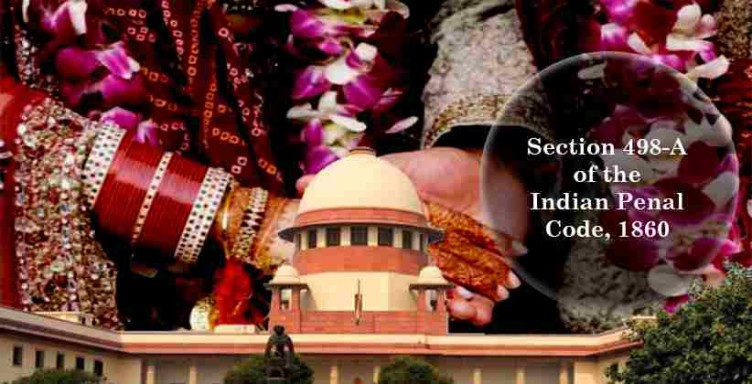
In India, the legal framework includes various laws designed to safeguard the rights and well-being of married women. Among these, Section 498A of the Indian Penal Code and the Domestic Violence Act (DVA) were enacted to address the distressing issue of cruelty and harassment faced by married women. While these laws serve a crucial purpose in ensuring the protection of women’s rights, there have been instances of their misuse, leading to false cases being filed against husbands and their families. In this comprehensive blog, we delve into the intricate dynamics of false cases under these laws and the pressing need for ethical practices in divorce proceedings. Understanding Section 498A and the DVA Section 498A of the Indian Penal Code was introduced with the noble intention of addressing the pervasive problem of cruelty and harassment faced by women in their matrimonial homes. This provision allows for the criminal prosecution of individuals accused of subjecting a woman to cruelty or harassment for dowry. In contrast, the Domestic Violence Act is a civil law that extends protection to women facing various forms of domestic violence, including physical, emotional, sexual, and economic abuse. The Unfortunate Misuse of These Laws While these laws are intended to serve as a safeguard for women’s rights, there have been troubling instances of their misuse. False cases filed under Section 498A and the DVA can have severe repercussions for the accused, including wrongful arrest, financial burdens, and the tarnishing of their reputation. In some cases, individuals resort to these laws with unethical motives, such as obtaining financial benefits or expediting the divorce process. Such misuse not only harms the accused but also undermines the credibility of the legal system. Promoting Ethical Practices in Divorce Proceedings To uphold the principles of justice and fairness, it is imperative to promote ethical practices in divorce proceedings. Below are compelling reasons why it is vital for individuals, particularly women, to refrain from unethical practices aimed at gaining financial advantage or expediting divorce: 1. Upholding the Integrity of the Legal System: – Misuse of laws such as Section 498A and the DVA threatens the integrity of the legal system, casting doubt on its ability to deliver justice. False accusations can lead to unjust arrests and undue harassment for those who are innocent. 2. Encouraging Fair and Transparent Divorce Proceedings: – Ethical practices are integral in fostering a divorce process that is fair, transparent, and respectful of the rights of all parties involved. In any divorce, an amicable resolution is often in the best interest of both spouses, particularly when children are involved. 3. Preserving Personal Integrity: – Engaging in unethical practices can significantly impact personal integrity. It is crucial to conduct oneself with honesty and fairness during divorce proceedings to maintain one’s own sense of honor and dignity. 4. Protecting the Rights of All Parties: – Marriage and divorce are complex, emotionally charged matters. It is paramount to protect the rights of all parties involved, including the accused. False cases divert attention from genuine cases of women facing real abuse, thereby hindering their ability to seek help and support. 5. Avoiding Legal Consequences: – Filing false cases under these laws can lead to perjury charges, which carry legal penalties and can further complicate the divorce proceedings. This ultimately defeats the purpose of these laws by bringing consequences upon those who misuse them. Conclusion In conclusion, while it is crucial to have legal provisions to protect the rights of married women, it is equally vital to promote ethical practices during divorce proceedings. False cases under Section 498A and the DVA can have far-reaching and deeply negative consequences, not only for the accused but also for the credibility of the legal system itself. It is our collective responsibility to ensure that the legal process is conducted with integrity, fairness, and transparency, upholding the principles of justice and protecting the rights of all parties involved in this complex and often emotionally charged process. #law #legal #justice #498a