

A leave and licence agreement is a legal document that establishes a temporary arrangement between a landlord (licensor) and a tenant (licensee). This agreement is commonly used in the rental housing segment. Here are some key points and explanations related to leave and licence agreements: 1. Purpose and Nature: 2. Differences from Lease: 3. Legal Basis: 4. Revocability and Determination: 5. Online Agreements: 6. Agreement Format: 7. Duration: 8. Court Decision: 9. FAQs: In summary, a leave and licence agreement is a flexible legal tool that allows property owners to grant temporary rights to occupants without creating long-term property interests. The agreement’s terms are crucial in defining the relationship between the licensor and licensee.

Introduction: In an era dominated by technology, the rise of cybercrime has become an alarming reality. As we navigate the digital landscape, the risk of falling victim to cyber threats has grown exponentially. In this blog, we explore the landscape of cybercrime in India, the available legal remedies, avenues for seeking help, and how legal expertise, such as that provided by ProLegalMinds, can expedite justice for the victims. Understanding Cybercrime in India: The term ‘cybercrime’ encompasses a broad range of offenses committed in cyberspace, including hacking, identity theft, online fraud, cyberbullying, and more. The Information Technology Act, 2000, forms the legal backbone for addressing cybercrimes in India. This legislation defines offenses, penalties, and legal procedures related to the digital realm. Legal Provisions Against Cybercrime: 1. Unauthorized Access (Section 43): Deals with unauthorized access to computer systems. 2. Data Theft (Section 66B): Pertains to the unauthorized copying of data. 3. Identity Theft (Section 66C): Addresses the misappropriation of identity information. 4. Online Fraud (Section 66D): Pertains to cheating using computer resources. 5. Cyberbullying (Section 66E): Addresses the violation of privacy through capturing and disseminating images of a private area of any person. Seeking Help for Cybercrime Victims: 1. Lodge a Complaint: Victims should file a complaint with the Cyber Crime Cell or the local police station. Prompt reporting is crucial for initiating investigations. 2. Preserve Evidence: Victims must preserve any evidence related to the cybercrime, such as screenshots, emails, or chat logs. This documentation can strengthen the case. 3. Legal Assistance: Engaging legal professionals specializing in cybercrime can provide victims with invaluable support. ProLegalMinds, with its expertise in cyber laws, offers comprehensive legal assistance. Immediate Relief for Victims: 1. Cease and Desist Orders: Legal intervention can secure orders to halt the dissemination of sensitive information. 2. Freezing Assets: In cases of financial cybercrimes, legal actions can be taken to freeze the assets of the accused. ProLegalMinds: Empowering Cybercrime Victims ProLegalMinds stands as a beacon of hope for victims of cybercrimes, offering specialized legal assistance. Here’s how ProLegalMinds adds value: 1. Expertise in Cyber Laws: ProLegalMinds boasts a team well-versed in cyber laws, ensuring victims receive advice tailored to the complexities of their cases. 2. Swift Legal Action: The legal team at ProLegalMinds is adept at expediting legal procedures, ensuring that justice is swift and effective. 3. Victim Advocacy: ProLegalMinds serves as a staunch advocate for victims, offering not just legal representation but also emotional support throughout the legal process. Conclusion: As we grapple with the omnipresence of technology, the battle against cybercrime requires a united front. Legal firms like ProLegalMinds play a pivotal role in ensuring that victims receive the justice they deserve, bringing cybercriminals to account and fostering a safer digital environment for all.

According to Indian Law, IPC Section 498A states, “Husband or a relative of the husband subjecting a woman to cruelty shall be subject to imprisonment for a term of three years and shall also be liable to a fine.” In today’s context, Section 498A IPC is often used by women in India to file complaints against their husbands for various forms of cruelty, whether physical, mental, or psychological. The punishment for a Section 498A case is well-known, as numerous cases have come to the forefront. Over the past seven decades, India has witnessed the creation and amendment of many women protection laws aimed at safeguarding the rights of Indian women. However, recent years have seen activists questioning these laws’ biases, advocating for harassed women to consider divorce proceedings. This misuse of Section 498 IPC has increased in recent times, mainly because there isn’t a clearly defined and straightforward mutual divorce process in place. Consequently, Section 498A often becomes the preferred choice for settling personal scores, leading to a clear disparity in the legal system, where the abuse suffered by men is not given equal recognition or protection. How can one protect themselves against a Section 498A IPC case’s potential misuse? Indian laws do have some remedies to address this concern: 1. Collect All Evidence & Documents: Gathering substantial evidence is the first step in refuting a false accusation. This can include preserving any communication between you, your family, your wife, or her relatives, such as SMS, emails, letters, and call recordings. 2. Get an Anticipatory Bail: If you anticipate a Section 498A complaint, hire a criminal defense lawyer to seek an anticipatory bail to prevent arrests. Anticipatory bail is a precautionary measure to avoid potential arrests and is filed under Section 438 of CrPC. 3. Get the 498A FIR Quashed: It’s possible to get a false 498A FIR quashed by the High Court under Section 482 of CrPC if you have substantial proof. 4. File an FIR Against Your Wife: In case your wife threatens to file a false 498A case, you can also file an FIR against her for blackmail or making a false complaint. 5. File a Case for Restitution of Conjugal Rights (RCR): If your wife has left your matrimonial home, you can file an RCR case against her under Section 9 of the Hindu Marriage Act, specifying the terms and conditions for her return. 6. File a Defamation Case: If your wife maligns your image by filing a false 498A case, you can file a defamation case against her. The duration of a 498A case primarily depends on the evidence presented and how effectively your lawyer represents your case in court. The frequent misuse of Section 498A has prompted the Supreme Court to implement new guidelines to prevent such misuse: 1. Family Welfare Committees must be established in every district by District Legal Services Authorities to handle Section 498A cases. 2. All 498A complaints received by the police or magistrate must be sent to this committee, which should submit a report within 30 days. 3. No arrest should be made until a report from the committee is received. 4. If an anticipatory bail for 498A is filed, it must be decided within a day. 5. Personal appearances may not be required in court, and video conferencing should be allowed for outstation family members. While Section 498A serves to protect women against cruelty and dowry-related issues, it’s essential to be aware of your legal rights and how to use them in the event of a false accusation. Securing Your Rights While the law is intended to protect women from harassment and dowry-related issues, individuals facing false accusations under Section 498A IPC have several legal provisions to consider. Here are some sections that may help you in case you need to file a counter case against your wife: These legal provisions empower individuals to defend their rights and reputation when faced with false accusations or threats. It’s essential to understand your legal options and use them judiciously. For further assistance and guidance, feel free to reach out to us at ProLegalMinds via email at hello@prolegalminds.com or by phone at +91-7799518123. We’re committed to providing the best legal support and ensuring your rights are protected. 💪 #LegalRights #Section498A #LegalRemedies #ProLegalMinds #LegalProtection #LegalAdvice #LegalSupport #IndianLaw #LegalSystem #ProtectYourRights Ready to take action? Click the link below to schedule your appointment now. Speak to us on +91-7799518123. Your path to legal protection starts here: [Schedule Your Appointment]( https://meetings.hubspot.com/shiva20 )

In recent years, pre-nuptial agreements have gained traction in India as couples seek to safeguard their assets and clarify financial arrangements before tying the knot. While these agreements are common in many Western countries, their validity and enforceability in India are subjects of debate. In this blog, we explore pre-nuptial agreements in India, their legal standing, and whether they can provide protection against cases like false 498A allegations and hefty divorce settlements. Understanding Pre-nuptial Agreements: A pre-nuptial agreement, often referred to as a pre-nup, is a legally binding contract that couples sign before marriage. Its primary purpose is to outline the financial rights and obligations of each spouse in case the marriage ends in divorce or separation. These agreements typically cover: Legal Validity in India: Pre-nuptial agreements are not explicitly recognized by Indian law. The Indian legal system primarily relies on personal laws, such as the Hindu Marriage Act, the Special Marriage Act, and the Indian Divorce Act, which specify the legal procedures for marriage, divorce, and maintenance. However, Indian courts have occasionally considered the terms of pre-nuptial agreements when determining the division of assets and alimony. The courts tend to view these agreements as documents indicating the parties’ intent but are not bound by them. Several factors can influence the court’s decision regarding a pre-nup’s enforceability: Protection Against False 498A Allegations and Divorce Settlements: While pre-nuptial agreements may not be a foolproof defense against false 498A allegations or hefty divorce settlements, they can provide some protection. Here’s how: In conclusion, pre-nuptial agreements are not a guaranteed shield against false 498A allegations or divorce settlements in India, but they can provide a degree of protection and clarity. Couples considering pre-nups should seek legal counsel to ensure the agreement is drafted properly and to understand its potential impact on their specific circumstances. While the legal landscape is evolving, pre-nuptial agreements remain a viable option for couples who wish to define their financial arrangements and protect their interests. Pre-nups are legal contracts that can outline asset division and alimony arrangements in case of divorce. While not explicitly recognized by Indian law, they can provide clarity and protection. Ensure your agreement is fair, with full disclosure and free consent. Legal questions? Reach out to our experts at ProLegalMinds for guidance. Click the link to schedule your appointment now: https://lnkd.in/gpS-Vnft or call us at +91-7799518123. Protect your financial future with knowledge and expert advice. 💼📜🔒 #PreNupIndia #LegalInsights #FinancialSecurity #DivorceProtection #ProLegalMinds #ScheduleNow

Marital disputes in India, especially those leading to divorce, are governed by a comprehensive legal framework, with the Hindu Marriage Act and the Hindu Succession Act being pivotal statutes. To understand the intricacies involved, let’s delve into the critical aspects step by step: Understanding the Hindu Marriage Act: Rights of Wife in Divorce: Rights of Husband in Divorce: Determining Alimony and Property Division: To navigate these complex legal matters effectively, seeking the guidance of a seasoned legal professional is crucial. Their expertise can offer valuable insights and ensure the protection of your rights in compliance with the applicable laws and provisions. From divorce and property disputes to business contracts and personal injury claims, our team of seasoned lawyers is here to guide you. ✅ Schedule Your Appointment: Ready to discuss your legal concerns? Click the link 👉 https://lnkd.in/gpS-Vnft to schedule your appointment now. 📞 Talk to Us: Have questions or need immediate assistance? Feel free to reach out at +91-7799518123. 🌐 ProLegalMinds: Where Legal Solutions Meet Your Needs 🌐
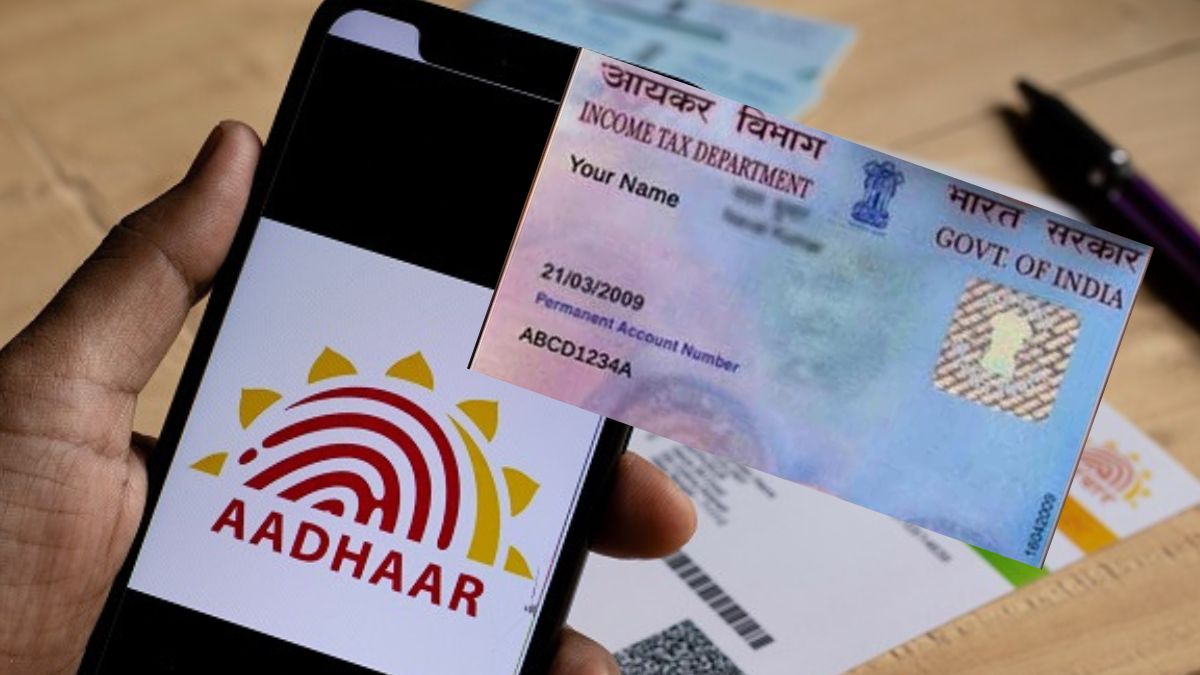
Losing crucial identity cards like your Aadhar Card, PAN Card, Driving License, or other documents can be a daunting experience. It’s essential to take immediate steps to safeguard your identity and prevent potential misuse. This comprehensive guide offers detailed information on what to do and the legal procedures involved: 1. File a Police Report: – Step 1: Visit your local police station as soon as you realize your cards are lost. – Step 2: File a First Information Report (FIR), which is a legal requirement. This establishes an official record of the loss, helping prevent identity fraud or financial fraud. – Step 3: Request a copy of the FIR for your records. 2. Lodge a Complaint with UIDAI (For Lost Aadhar Card): – Step 1: Visit the official UIDAI website. – Step 2: Select the “Retrieve Lost or Forgotten EID/UID” option. – Step 3: Provide the necessary information, such as your Aadhar number or Enrollment ID (EID). – Step 4: You will receive an OTP on your registered mobile number. – Step 5: Use the OTP to verify your identity and request a duplicate Aadhar card. This ensures the protection of your identity and guards against data fraud. – Step 6: Your Aadhar number remains the same; you’ll receive a new card. 3. Apply for a Duplicate PAN Card: – Step 1: Visit the official website of the Income Tax Department. – Step 2: Download and fill out Form 49A (Application for Allotment of Permanent Account Number). – Step 3: Submit the form along with the required documents to the nearest UTI or NSDL center. – Step 4: Pay the applicable fee to apply for a duplicate PAN card. This step secures your financial identity and helps prevent financial fraud. – Step 5: You’ll receive a new PAN card with the same PAN number. 4. Notify Your Bank and Financial Institutions: – Step 1: Contact your bank and other financial institutions where you’ve linked your Aadhar and PAN cards. – Step 2: Follow their guidance to update your information, securing your accounts and reducing the risk of financial fraud. 5. Replace Other Lost Cards: – Step 1: If you’ve lost additional identification cards, such as your driver’s license, voter ID, or passport, contact the respective issuing authorities. – Step 2: Follow their specific procedures to obtain duplicate cards and regain control over your identity. This step is essential in guarding against identity fraud. 6. Monitor for Identity Theft: – Step 1: Regularly monitor your financial accounts and credit reports for any suspicious activities. – Step 2: If you notice unauthorized transactions or accounts, report them immediately to the relevant authorities. Early detection is crucial in preventing identity fraud. 7. Update Your New Cards with Institutions: – Step 1: After obtaining duplicate cards, ensure you update them with the institutions where your previous cards were linked. – Step 2: This proactive step prevents identity fraud through the misuse of outdated cards. Following this step-by-step process not only helps you replace lost documents but also guards against data fraud, identity fraud, and financial fraud. Protecting your identity is a comprehensive defense against these types of fraud, and these measures can help you stay secure in an increasingly digital world. In case of any confusion or concerns, consult with legal experts for guidance and support. Legal Procedures Involved: – Filing a police report (FIR) is a legal requirement, and it is essential to protect yourself in case of potential misuse of your lost cards. – Applying for duplicate Aadhar and PAN cards involves legal procedures, and you must provide accurate information. – Ensure you adhere to the guidelines provided by the respective authorities for replacing other lost cards, such as your driving license or passport. Taking immediate action and following these legal procedures guarantees that your new cards are legitimate, protecting your identity. If you encounter any confusion or concerns, consult legal experts for guidance and support.

Introduction Private nuisance, in the legal realm, refers to the unlawful interference with an individual’s right to use and enjoy their property. This interference may manifest as loud noises, offensive odors, water pollution, or any activity that significantly and unreasonably disrupts a person’s right to utilize and appreciate their property. In India, private nuisance can be a multifaceted issue, encompassing both civil and criminal aspects, with its legal framework embedded in the Indian Penal Code (IPC), Criminal Procedure Code (CrPC), and the Code of Civil Procedure (CPC). In this comprehensive guide, we will delve deep into the concept of private nuisance, its legal implications, and the intricate steps involved in addressing it within the contexts of both civil and criminal law. Understanding Private Nuisance: Private nuisance arises when the actions or behaviors of one individual or entity cause substantial inconvenience, annoyance, or harm to another person’s property rights. These actions may entail anything from noise pollution, offensive smells, and water contamination to any activity that unreasonably interferes with an individual’s right to use and enjoy their property. Civil Remedies for Private Nuisance: Section 91 of the CPC – Private nuisance cases typically fall under the purview of the Code of Civil Procedure (CPC). In civil suits, the affected party can initiate legal proceedings against the alleged wrongdoer, seeking compensation for the damages resulting from the nuisance. The court examines the evidence and, if the nuisance’s substantial nature is proven, may grant an injunction to halt the offending activity. Criminal Remedies for Private Nuisance: Criminal Intimidation (Section 503 IPC) – If the nuisance adopts a more menacing form, such as intimidation, it can be addressed through Section 503 of the IPC. In such cases, the affected party has the option to file a criminal complaint against the wrongdoer for intimidation. Public Nuisance (Section 268 IPC) – On certain occasions, a private nuisance can escalate into a public nuisance, affecting a larger populace. Section 268 of the IPC categorizes the creation of a public nuisance as a criminal offense. This encompasses acts that endanger human life or safety or disrupt the well-being of a significant number of people. Procedure for Addressing Private Nuisance: 1. Collecting Evidence: The initial step entails accumulating compelling evidence of the nuisance. This evidence may include photographs, videos, witness statements, medical reports, or any pertinent data, depending on the specific nature of the nuisance. 2. Filing a Complaint: In a civil case, the afflicted party must instigate a civil suit in the appropriate court, as per Section 91 of the CPC. In criminal cases, a complaint should be lodged with the police under the relevant sections of the IPC. 3. Investigation and the Role of the Police: In criminal cases, law enforcement agencies will conduct a meticulous investigation, encompassing the recording of statements, gathering evidence, and, if necessary, filing charges against the wrongdoer. The police’s role is pivotal in substantiating the criminal aspects of the private nuisance. 4. Court Proceedings: In civil cases, the court conducts hearings, scrutinizes the evidence, and deliberates on whether the private nuisance is substantial and warrants compensation or an injunction. In criminal cases, the court adjudicates based on the evidence, determining whether the wrongdoer is guilty of criminal intimidation or creating a public nuisance. 5. Remedies: If the court rules in favor of the afflicted party, it can award damages or grant an injunction in civil cases. In criminal cases, the court may impose fines or other punitive measures as appropriate. Conclusion Private nuisance laws in India are intricate and require a profound understanding, making legal expertise crucial for individuals and communities seeking resolution. Whether you are the affected party or the accused, navigating the complex landscape of private nuisance can be challenging. If you believe you are being affected by a private nuisance or are facing allegations, seeking professional legal counsel is imperative. ProLegalMinds specializes in addressing these nuances and can provide you with the guidance needed to safeguard your rights and seek a fair resolution. In this comprehensive guide, we have covered the foundational aspects of private nuisance, encompassing both civil and criminal dimensions, and elucidated the procedures required to address it. The intricacies of private nuisance cases demand expertise, and ProLegalMinds stands ready to offer support, protection of your rights, and a path toward a just resolution. For expert legal guidance and unwavering support in private nuisance cases, reach out to ProLegalMinds today. We are committed to safeguarding your rights and ensuring an equitable resolution. For expert legal guidance aconsult ProLegalMinds. Contact us at +91-7799518123 or visit prolegalminds.com to speak with our legal experts today.Click the link https://lnkd.in/gpS-Vnft to schedule your appointment now.

Real estate transactions in India are significant financial investments and require meticulous attention to detail. Ensuring a legally sound transaction is essential to safeguard your interests. This comprehensive guide covers every step, minor detail, and relevant Indian laws to make your real estate deal in India free from legal disputes and as smooth as possible. 1. Start with Due Diligence: Commence the process with a thorough due diligence procedure, guided by Indian laws: 2. Drafting the Sale Agreement: Create a meticulously drafted sale agreement, complying with the Indian Contract Act, 1872, to define the terms and conditions: 3. Registration and Stamp Duty: Ensure all documentation complies with the Indian Stamp Act and the Registration Act: 4. Embrace Escrow Accounts: Consider utilizing an escrow account to secure the financial aspects of the transaction, in line with the Indian Contract Act: 5. Minimizing Legal Risk: Mitigate legal risks with these strategies, under the guidance of Indian legal provisions: 6. Financial Security: Safeguard your financial transactions by adhering to Indian financial regulations: 7. Leveraging Legal Protection: Utilize Indian legal provisions to enhance your protection: By diligently following these steps and adhering to Indian laws, you can significantly reduce the legal risks associated with real estate transactions in India. Engaging professionals, such as real estate lawyers and financial advisors, is highly recommended. Your understanding of the Indian legal framework, coupled with adherence to these best practices and Indian legal provisions, will lead to a secure, smooth, and legally compliant real estate transaction in the country. At ProLegalMinds, we’re dedicated to ensuring that your property disputes are resolved effectively, and family relationships are maintained. Contact us today for expert legal guidance and a fair resolution. Click the link https://tinyurl.com/ykt6ct8n to schedule your appointment now. Speak to us on +91-7799518123

Introduction: Inheritance and succession planning are crucial yet complex aspects of estate management for Hindus in India. Hindu succession laws have undergone major changes in recent years, granting daughters equal rights in ancestral property. This extensive guide covers all key topics related to Hindu property inheritance in a detailed manner. Types of Property: Hindu property can be broadly classified into two categories: 1. Ancestral/Coparcenary Property – This consists of property inherited up to 4 generations of male lineage. – Earlier only sons had a birthright and share in such property. – After the Hindu Succession Act amendments in 2005, daughters also have equal coparcenary rights by birth in ancestral property. 2. Self-Acquired Property – This is any property acquired by an individual during their lifetime through purchase, mortgage, gift, inheritance from maternal ancestors, etc. – For such property, sons and daughters stand on equal footing. Succession Rules for Coparcenary Property: Earlier, coparcenary property used to pass to heirs only through the male line of succession based on the rule of survivorship. The succession order was as follows: – Sons – Grandsons through sons – Great grandsons through grandsons If a man died leaving no male heirs, the property could go to remote male agnates like nephews, uncles etc. Women had no rights. After 2005 Amendment: – Sons and daughters both have equal coparcenary rights by birth in ancestral property. – Daughters can also become kartas or managers of a Hindu Undivided Family (HUF) property. – If a coparcener dies leaving no heirs, the property will pass to his/her legal heirs as per succession charts. Important Sections: Sections 6, 8, 15(1)(a), 15(2)(a) of the Hindu Succession Act 1956 deal with coparcenary rights and succession. Succession Rules for Self-Acquired Property: For self-acquired property of a Hindu male or female, the succession occurs in the following preferential order: 1. Children/descendents 2. Mother and Father 3. Husband or Wife 4. Heirs of husband or wife 5. Heirs of father 6. Heirs of mother Relevant Sections: Sections 15(1)(b), 15(1)(d), 15(2), 16 of the Hindu Succession Act 1956 cover these rules. Making a Will: – A Hindu can make a testamentary will to divide self-acquired property according to their own wishes and override the default succession order. – The will must adhere to legal requirements like witness attestation. – Certain heirs like children and dependents have rights over a portion of assets despite any will. Protection of Elderly Parents: – The Maintenance and Welfare of Parents and Senior Citizens Act 2007 provides measures for financial protection of elderly. – Children or heirs are obligated to provide monthly maintenance to parents and senior citizens. – Tribunals can order compensation for neglected parents/senior citizens. Registration of Documents: – It is advisable to properly register all deeds of family settlement, partition, release of coparcenary rights etc. – Unregistered documents have limited validity and can complicate inheritance. The Hindu Succession Act, 1956 (HSA) governs the succession of property among Hindus in India. The Act applies to all Hindus, including Jains, Buddhists, and Sikhs. It also applies to Hindus who have converted to another religion. How to split property among siblings The HSA provides for equal distribution of property among siblings of both genders. This means that if a Hindu dies without leaving a will (intestate), their property will be divided equally among their sons, daughters, and any children of their deceased sons or daughters. How to handle inherited and self-acquired property The HSA does not distinguish between inherited and self-acquired property. All property of a Hindu, whether inherited or self-acquired, is subject to the same rules of succession. Indian laws governing Hindu succession The HSA is the primary law governing Hindu succession in India. However, there are a few other laws that also apply to certain aspects of Hindu succession. For example, the Hindu Marriage Act, 1955 and the Special Marriage Act, 1954 contain provisions relating to the succession of property of married Hindu women. Detailed act and sections related to Hindu succession The HSA contains a detailed list of the heirs to the property of a Hindu who dies intestate. The heirs are divided into two classes: If there are no heirs in Class I, the property will go to the heirs in Class II. If there are no heirs in either class, the property will devolve to the State. Procedure linked to enable smooth succession To enable smooth succession, it is important to create a will. A will is a legal document that states how a person wants their property to be distributed after their death. If a Hindu dies without leaving a will, their property will be distributed according to the HSA, which may not be in accordance with their wishes. Risks and other considerations There are a few risks and considerations that should be kept in mind when dealing with Hindu succession of property. One risk is that there may be disputes among the heirs over the distribution of the property. Another risk is that the property may be lost or wasted if it is not properly managed. To mitigate these risks, it is important to have a clear understanding of the HSA and to seek legal advice if necessary. It is also important to have a proper succession plan in place. This may involve creating a will, setting up trusts, and appointing guardians for minor children. When to invoke intestate will An intestate will is invoked when a person dies without leaving a will. In this case, the person’s property will be distributed according to the HSA. How should property be divided among children The HSA provides for equal distribution of property among children of both genders. This means that if a Hindu dies intestate, their property will be divided equally among their sons, daughters, and any children of their deceased sons or daughters. Which sections of law support it Section 6 of the HSA provides for the devolution of interest in coparcenary property. Coparcenary property is property that is jointly owned by a

At ProLegalMinds, we stand against the misuse of legal provisions and advocate for justice. In India, Section 498A of the Indian Penal Code was enacted to protect women from dowry-related harassment. Unfortunately, this well-intended law has been subject to misuse, leading to unjust consequences for many families. At ProLegalMinds, we are dedicated to addressing this issue and safeguarding the rights of those falsely accused. The Impact of False 498A Cases False cases filed under Section 498A have far-reaching consequences that go beyond the accused individuals. Families face: Legal Safeguards Against Misuse We, at ProLegalMinds, are committed to defending the rights of the accused. Our approach includes: Why Choose ProLegalMinds? We offer: Section 498A was created to protect women, but it is now being misused as a tool for harassment. Misuse not only affects the accused but also undermines the credibility of genuine cases. At ProLegalMinds, we stand against this misuse and work to restore faith in the legal system. Challenging police misuse of power is crucial, and we have the competence to do so. If you or your loved ones are facing false accusations under Section 498A, remember, you’re not alone. ProLegalMinds is here to provide unwavering support, protect your rights, and guide you toward justice and truth under the law. #JusticePrevails #LegalProtection #ProLegalMinds At ProLegalMinds, we’re dedicated to ensuring that your property disputes are resolved effectively, and family relationships are maintained. Contact us today for expert legal guidance and a fair resolution.Click the link https://lnkd.in/gpS-Vnft to schedule your appointment now. Speak to us on +91-7799518123