

Introduction: Property disputes among siblings in India can be legally intricate and emotionally charged. In this comprehensive guide, we will explore the nuances of resolving such disputes in accordance with Indian law. We will emphasize the importance of emotional management and discuss the legal procedures, including relevant laws, sections, and detailed steps, for achieving fair distribution of self-acquired and inherited properties. We’ll also address the significance of drafting a will, the implications of intestate succession, and the legal mechanisms available to resolve disputes. 1. Emotional Management and the Indian Family Dispute Resolution Act: Property disputes within Indian families often evoke intense emotions, but the Indian Family Dispute Resolution Act (IFDRA) provides a structured framework for emotional management. – Under Section 4 of the IFDRA, families are encouraged to engage in mediation, counseling, and conciliation to address concerns and feelings. – The Act promotes open dialogues and the preservation of family relationships during the dispute resolution process. 2. Fair and Equal Distribution as per the Indian Succession Act: Equitable property distribution is paramount in resolving property disputes, governed by the Indian Succession Act. – As per Section 33 of the Indian Succession Act, the distribution method should consider factors such as financial needs, personal sacrifices, and caregiving responsibilities. – Drafting a family agreement or memorandum of understanding, in line with Section 135, can help formalize the distribution plan. 3. Self-Acquired vs. Inherited Property under the Hindu Succession Act: Distinguishing between self-acquired and inherited property is essential, with guidance from the Hindu Succession Act. – As per the Act, self-acquired property can be freely bequeathed through a will under Section 30. – Inherited property is subject to the Act’s provisions, and the owner’s will may not always be binding. 4. The Role of a Will and the Indian Succession Act: Drafting a legally sound will is critical for property distribution. – Under Section 66 of the Indian Succession Act, a will specifies beneficiaries, their respective shares, and the conditions for distribution. – Regular updates to the will, as provided in Section 77, are essential to reflect changing circumstances. 5. Intestate Succession under the Indian Succession Act: When there’s no will, the Indian Succession Act dictates the property’s distribution. – The Act outlines the laws of intestate succession, which may vary by religion or region. – Primary beneficiaries are close relatives, such as surviving spouses, children, and parents, as specified in the Act’s provisions. 6. Legal Procedures for Fair Distribution under the Civil Procedure Code: Ensuring a just division involves following the procedures outlined in the Civil Procedure Code. – Engaging a lawyer is crucial, following Section 34 of the Code, to guide you through the legal process. – Verification of property titles and records, as required by Section 83, ensures clarity in ownership. – Partition, sale, or other legal mechanisms, as mentioned in Section 109, may be employed to divide the property. 7. Seeking Mediation or Arbitration under the Arbitration and Conciliation Act: Alternative dispute resolution methods can be beneficial, under the Arbitration and Conciliation Act. – Section 89 of the Act allows for mediation or arbitration, providing a neutral forum for resolution. – Both parties can discuss their preferences and a neutral third party, in accordance with the Act, can help find common ground. 8. Litigation as a Last Resort under the Code of Civil Procedure: Litigation should be the last resort when all other methods fail, governed by the Code of Civil Procedure. – As per Section 89 of the Code, litigation can be a costly, time-consuming, and emotionally draining process. – Ensure you have strong legal representation to protect your interests in court, guided by Section 21. Conclusion: Resolving property disputes among siblings in India is a meticulous process that involves both legal and emotional considerations. With adherence to Indian laws, sections, and legal procedures, as well as a commitment to emotional management, a well-drafted will, and formal dispute resolution mechanisms, you can navigate these disputes successfully. Prioritizing the preservation of family relationships and seeking professional legal assistance is paramount in ensuring a fair and equitable resolution for all parties involved. At ProLegalMinds, we’re committed to delivering comprehensive and tailored legal solutions. When you choose us, you’re choosing a trusted legal partner for a wide range of practice areas. Click the link https://lnkd.in/gpS-Vnft to schedule your appointment now. Speak to us on +91-7799518123

In today’s fiercely competitive world, your intellectual property (IP) assets, including brand names, recipes, product designs, and internal documents, are invaluable. Protecting them is crucial not only for your business’s success but also for preserving your creative and innovative efforts. In this comprehensive guide, we’ll delve into the nuances of safeguarding your intellectual property, taking legal action in case of violations, and the key considerations along the way. Understanding Intellectual Property: 1. Trademarks: Trademarks are crucial for establishing and protecting your brand identity. They can include brand names, logos, and slogans. Register your trademarks with the appropriate government agency to secure legal ownership and exclusive rights to use them in your business. 2. Copyrights: Copyrights protect original works of authorship, such as literary, artistic, or musical creations, from being copied, distributed, or reproduced without your permission. Registering your copyrights strengthens your legal position in case of infringement. 3. Patents: Patents provide legal protection for inventions or processes. If your business relies on unique products or methods, obtaining patents is essential to prevent others from using your innovations without your consent. 4. Trade Secrets: Trade secrets are confidential pieces of information that give your business a competitive advantage. These can include formulas, recipes, customer lists, and manufacturing processes. Use nondisclosure agreements (NDAs) to protect trade secrets when sharing them with employees, partners, or contractors. Safeguarding Your Intellectual Property: 1. Register Your IP: Begin by formally registering your IP with the relevant government authorities. This step is critical to establish legal ownership and exclusive rights. For trademarks, copyrights, and patents, registration offers a robust legal foundation for protection. 2. Confidentiality Agreements: When sharing sensitive information or trade secrets with employees, partners, or contractors, use nondisclosure agreements (NDAs) to protect your confidential data. These legally binding agreements prevent unauthorized disclosure or use of your proprietary information. 3. Regular Audits: Periodically evaluate your IP portfolio to ensure it remains up to date and in compliance with the law. This includes reviewing and updating trademark registrations, copyrights, and patents as needed. 4. Employee Training: Educate your staff about the importance of IP protection, confidentiality, and compliance. Create a culture of awareness within your organization to prevent accidental disclosures or infringements. Taking Legal Action: In the event of IP violations, you have several legal options: 1. Cease and Desist Letters: Initiate legal action by sending a cease and desist letter to the infringing party. This communication demands that they stop the violation immediately. In many cases, this initial step can resolve the matter without proceeding to court. 2. Alternative Dispute Resolution (ADR): Mediation or arbitration can be quicker and more cost-effective than court litigation. ADR offers a way to resolve IP disputes through negotiation, reducing the time and expenses associated with court proceedings. 3. Court Litigation: If necessary, you may need to file a lawsuit in the appropriate court to protect your intellectual property. The choice of court will depend on the nature of the IP and the jurisdiction. For instance: – Trademark Disputes: Typically, trademark cases are filed in the respective High Courts or District Courts, depending on the value and jurisdiction. – Copyright Infringements: Cases are heard in the Commercial Courts, which vary by state. – Patent Disputes: These cases are filed in the Commercial Courts or High Courts. – Trade Secret Violations: The courts that handle these cases vary based on the jurisdiction and specific laws. Key Considerations: – Evidence: Gather substantial evidence to prove your ownership of the IP and the infringement. Strong evidence will strengthen your legal position. – Cost: Legal proceedings can be expensive, and costs can vary significantly based on the complexity of the case and the court’s jurisdiction. Evaluate your budget and explore available legal aid or insurance to manage expenses. – Timelines: Legal processes can be lengthy, and the duration can vary depending on the complexity of the case and the court’s docket. Be prepared for a potentially protracted legal battle. – Chances of Winning: Consult with experienced intellectual property attorneys to assess the strength of your case and potential outcomes. The likelihood of success will depend on various factors, including the quality of your evidence and the specific IP laws governing your assets. In conclusion, safeguarding your intellectual property and taking legal action in case of violations is a complex and often expensive endeavor. Therefore, it’s essential to consult with experienced intellectual property attorneys who can guide you through the process, assess your chances of success, and help protect the assets that are vital to your business’s success. Remember, proactive protection is your best defense in preserving your intellectual property. For more information on protecting your intellectual property and legal options in case of infringement, feel free to contact ProLegalMinds, your trusted legal partner in safeguarding your business’s creative and innovative efforts. At ProLegalMinds, we’re committed to delivering comprehensive and tailored legal solutions. When you choose us, you’re choosing a trusted legal partner for a wide range of practice areas.Click the link https://lnkd.in/gpS-Vnft to schedule your appointment now. Speak to us on +91-7799518123
The digital age has ushered in unprecedented connectivity and convenience, but it has also exposed us to the ever-evolving threat landscape of cybercrimes. From fake news to data breaches, cyber pornography, phishing, ransomware, malicious apps, digital payment frauds, social media scams, and privacy violations, cybercrimes in India have become a formidable challenge. It’s crucial to understand these threats and the legal provisions in place to protect citizens, all while aligning with global data protection standards such as the Digital Personal Data Protection Bill, 2022 and the General Data Protection Regulation (GDPR). Understanding the Multifaceted Threats: 1. Fake News & Disinformation: The spread of false or misleading information online can have far-reaching consequences, influencing public opinion and even inciting violence. 2. Data Breaches: Unauthorized access to sensitive data from organizations and individuals poses a grave risk, as personal and financial information can be exposed. 3. Cyber Pornography: The proliferation of explicit or sexually explicit content online can lead to exploitation, harassment, and legal repercussions. 4. Phishing & Ransomware: Cybercriminals use deceptive tactics to steal sensitive information or encrypt data for ransom, disrupting businesses and individuals. 5. Malicious & Unauthorized Apps: Unverified mobile applications can compromise your data security and privacy, often harboring malware or spyware. 6. Digital Payment Frauds: As digital transactions surge, so do fraudulent schemes that target unsuspecting victims’ financial information. 7. Social Media Frauds: Scams on social platforms range from impersonation to investment frauds and identity theft. 8. Privacy Violation: The improper use of personal data, often without consent, infringes on an individual’s privacy rights. Laws to Safeguard Citizens: India’s legal framework includes crucial acts and sections to address these cybercrimes, including the Digital Personal Data Protection Bill, 2022. The GDPR provides a global standard for data protection: 1. Information Technology Act, 2000: This act encompasses various sections, such as Section 43 (unauthorized access), Section 66 (computer-related offenses), and Section 72 (breach of confidentiality). 2. Information Technology (Amendment) Act, 2008: This amendment introduced new sections, including Section 66C (identity theft) and Section 67C (publishing or transmitting obscene material). 3. The Indian Penal Code: Relevant sections include Section 419 (cheating by personation), Section 420 (cheating and dishonestly inducing delivery of property), and Section 499 (defamation). 4. The Code of Criminal Procedure, 1973: This code governs the criminal legal process and procedures for investigating and prosecuting cybercrimes. 5. Digital Personal Data Protection Bill, 2022: This proposed legislation aims to enhance the protection of personal data in India, ensuring data security and individual rights. 6. General Data Protection Regulation (GDPR): While not an Indian law, the GDPR sets a global standard for data protection, emphasizing individual rights, data security, and stringent penalties for non-compliance. Empowering Citizens and Organizations: Preventing cybercrimes and protecting your digital presence is paramount. Consider these safeguards: 1. Education: Stay informed about common threats and practice safe online behavior, adhering to the provisions of the Digital Personal Data Protection Bill, 2022. 2. Strong Security Measures: Use strong, unique passwords, two-factor authentication, and updated antivirus software. 3. Vigilance: Be cautious when sharing personal information online and verify the authenticity of websites and applications. 4. Prompt Action: If you’re a victim of a cybercrime, report it to the authorities, retain all relevant evidence, and support the implementation of the Digital Personal Data Protection Bill, 2022. The multifaceted threat of cybercrimes in India necessitates a proactive approach, leveraging legal provisions, cybersecurity measures, and public awareness to combat these evolving challenges effectively. By staying informed, vigilant, and adhering to the Digital Personal Data Protection Bill, 2022, and GDPR standards, we can collectively create a safer digital environment for all. Ready to discuss your legal concerns and explore your options? Book your FREE legal consultation with us today. We’re here to provide expert guidance and answer your questions. Don’t wait; take the first step toward resolution. Click the link to schedule your appointment now. #LegalConsultation #ExpertAdvice #LegalSupport At ProLegalMinds, we’re committed to delivering comprehensive and tailored legal solutions. When you choose us, you’re choosing a trusted legal partner for a wide range of practice areas.Click the link https://lnkd.in/gpS-Vnft to schedule your appointment now. Speak to us on +91-7799518123

Family law matters in India encompass a wide range of sensitive issues that profoundly affect the lives of individuals and families. These matters often necessitate legal intervention to ensure a fair and just resolution. In this comprehensive guide, we will delve into the various types of petitions that can be filed in family court, the step-by-step legal process involved, estimated timeframes, associated costs, potential outcomes, and other crucial considerations. Types of Petitions in Family Court: 1. Divorce Petition (Under the Hindu Marriage Act, 1955): A divorce petition is filed when a married couple seeks the legal dissolution of their marriage. It can be either mutual consent divorce, where both parties agree to end the marriage, or a contested divorce, based on grounds such as cruelty, desertion, or adultery. 2. Restitution of Conjugal Rights (Under the Hindu Marriage Act, 1955): This petition is filed when one spouse wishes to restore conjugal rights, requesting the other to return and cohabit. It is often a prelude to divorce. Section 9 of the Hindu Marriage Act, 1955, provides for restitution of conjugal rights. 3. Judicial Separation (Under the Hindu Marriage Act, 1955): Judicial separation allows spouses to live separately without dissolving the marriage legally. It is chosen when divorce is not desired, but cohabitation is untenable. Section 10 of the Hindu Marriage Act, 1955, addresses judicial separation. 4. Child Custody Petition (Under the Guardians and Wards Act, 1890): In cases of divorce or separation, child custody petitions determine the custody arrangements for children. They address issues such as custody, visitation rights, and child support. 5. Maintenance Petition (Under the Hindu Marriage Act, 1955 and the Code of Criminal Procedure, 1973): Maintenance petitions ensure financial support for spouses, children, or dependent parents. The court assesses the financial capabilities of the parties involved. 6. Domestic Violence Petition (Under the Protection of Women from Domestic Violence Act, 2005): Filed under the Protection of Women from Domestic Violence Act, this type of petition addresses issues of abuse and seeks protection, compensation, custody, and residence orders. Step-by-Step Process: 1. Consultation: The legal process begins with a consultation with a qualified family law attorney. During this initial meeting, the attorney assesses your situation and helps you select the appropriate legal avenue. 2. Drafting and Filing: Once the petition is chosen, your attorney will draft the legal documents and file them in the family court that holds jurisdiction over your case. 3. Service of Notice: The court serves notice to the opposing party, who is provided with a stipulated time to respond. 4. Mediation: In an attempt to preserve relationships, the court may suggest mediation or reconciliation efforts, especially in cases of mutual consent divorce. 5. Hearings: Multiple court hearings are scheduled, where evidence is presented, legal arguments are heard, and both parties have the opportunity to state their case. 6. Judgment: The culmination of the legal process is the court’s judgment, which is delivered based on the evidence presented and the relevant legal provisions. Timeframes: The duration of family court proceedings varies significantly based on the complexity of the case and the backlog of cases in the respective court. While simple, uncontested cases may conclude in 6-18 months, contested cases can extend over several years. Costs: The cost of pursuing family law matters encompasses legal fees, court fees, and other expenses. Simple, uncontested cases are generally less expensive, while contested cases can prove financially burdensome. Possible Outcomes: 1. Decree of Divorce: For divorce petitions, the court can grant a decree of divorce, officially dissolving the marriage. 2. Restitution of Conjugal Rights: The court can order the respondent to return and cohabit with the petitioner. 3. Judicial Separation: A decree of judicial separation does not terminate the marriage but allows the parties to live separately. 4. Child Custody Orders: The court can grant custody and visitation rights, always prioritizing the child’s best interests. 5. Maintenance Orders: Orders for financial support may be issued to ensure the financial well-being of the petitioner and any dependent family members. 6. Protection Orders: In domestic violence cases, the court may issue protection orders to safeguard the victim from further abuse. Other Considerations: – Counseling: The court may recommend family counseling, particularly in child custody cases, to ensure the emotional well-being of the child. – Appeals: Parties who are dissatisfied with court decisions have the option to appeal to higher courts if they believe a legal error has occurred. – Enforcement: The court possesses mechanisms to enforce its orders, ensuring compliance. Family law matters are often emotionally charged and legally complex, making it essential to seek the counsel of experienced legal professionals to navigate these proceedings. Each case is unique, and the outcome depends on various factors, including the evidence presented, legal arguments, and the court’s interpretation of the law. A compassionate and skilled legal team can make all the difference in achieving a fair resolution in these sensitive matters.
Introduction: The Supreme Court of India, as the highest judicial authority, plays a pivotal role in upholding justice and ensuring legal remedies for citizens. Special Leave Petitions (SLPs) are a crucial component of this process, serving as a gateway to access justice at the highest level. In this comprehensive guide, we will delve into the various stages, status, and lifecycle of an SLP in the Supreme Court, shedding light on how and when an SLP can transform into a Civil Appeal or Criminal Appeal after leave is granted. Understanding Special Leave Petitions (SLPs): SLPs are extraordinary remedies provided under Article 136 of the Indian Constitution. They grant the Supreme Court discretionary powers to hear and decide cases of special significance. Typically, SLPs are filed to challenge decisions of High Courts or Tribunals that raise questions of law or principles of immense public importance. Stages in the Lifecycle of an SLP: 1. Filing of the SLP: – The process commences when the petitioner files the SLP in the Supreme Court. – The SLP is scrutinized for procedural and jurisdictional compliance. 2. Hearing and Admission: – Once filed, the SLP is listed before a bench of the Supreme Court. – The court may either admit or dismiss the SLP after preliminary consideration. 3. Notice to Opposite Party: – If the SLP is admitted, a notice is issued to the opposite party, informing them of the petition and seeking their response. 4. Submission of Counter-Affidavit: – The opposite party submits a counter-affidavit, presenting their version of the case. 5. Arguments and Hearing: – The matter is then heard by the court, with both parties presenting their arguments. – The court may pass an interim order or directions if necessary. 6. Leave Granted or Denied: – After hearing, the court may grant or deny ‘leave,’ which is permission to proceed with the appeal. – If leave is granted, the SLP progresses to the next stage. 7. Conversion into Civil or Criminal Appeal: – If the SLP is converted into a Civil or Criminal Appeal, it proceeds to be heard on merits. – The court may issue final judgments, set aside or uphold the impugned decision. Conversion into Civil or Criminal Appeal: – If the court grants leave in the SLP, it is converted into a Civil or Criminal Appeal. – The conversion depends on the nature of the case and the underlying issues involved. – The appeal is heard on its merits, and the Supreme Court issues a final judgment, upholding or setting aside the decision in question. Status and Lifecycle of the Case: – The status of an SLP can vary from ‘admission’ to ‘dismissal’ at different stages. – If dismissed, the case concludes at the SLP stage. – If admitted, the case progresses to the ‘Civil Appeal’ or ‘Criminal Appeal’ stage. Conclusion: Special Leave Petitions in the Supreme Court of India serve as a vital legal recourse, allowing individuals to seek justice and address matters of exceptional significance. Understanding the stages, status, and lifecycle of an SLP is crucial for those navigating the complex legal landscape. As cases progress from the SLP stage to Civil or Criminal Appeals, the Supreme Court plays a critical role in interpreting the law, upholding justice, and setting legal precedents that influence the course of Indian jurisprudence. Ready to discuss your legal concerns and explore your options? Book your FREE legal consultation with us today. We’re here to provide expert guidance and answer your questions. Don’t wait; take the first step toward resolution. Click the link to schedule your appointment now. #LegalConsultation #ExpertAdvice #LegalSupport Navigating the Special Leave Petition (SLP) Process in the Supreme Court of India: A Time-Bound Journey Introduction: The legal journey in India is an intricate process, and this complexity becomes evident in the Supreme Court. Special Leave Petitions (SLPs) are a critical component of this journey, often representing the final avenue for individuals seeking justice at the highest level. In this comprehensive guide, we’ll explore the various stages, timeframes, and the entire lifecycle of an SLP in the Supreme Court, including crucial milestones like the “notice before admission” stage. Understanding Special Leave Petitions (SLPs): SLPs are a unique legal remedy enshrined in Article 136 of the Indian Constitution. They grant discretionary powers to the Supreme Court to hear and decide on cases of exceptional significance. Typically, SLPs are filed to challenge decisions of High Courts or Tribunals that raise fundamental questions of law or principles of immense public importance. A Time-Bound Journey: 1. Filing the SLP (0-1 month): – The SLP process commences with the petitioner filing the SLP in the Supreme Court. – This stage usually takes one month from the date of filing. 2. Hearing and Admission (1-2 months): – Once filed, the SLP is listed before a bench of the Supreme Court. – The court conducts a preliminary review, and within one to two months, the SLP may either be admitted or dismissed. 3. Notice to Opposite Party (2-3 months): – If the SLP is admitted, a notice is issued to the opposite party, informing them of the petition. – This stage typically takes one to two months from admission. 4. Submission of Counter-Affidavit (3-5 months): – The opposite party presents a counter-affidavit, outlining their perspective on the case. – Preparing and submitting the counter-affidavit usually takes two to three months. 5. Arguments and Hearing (5-8 months): – The court proceeds to hear the matter, with both parties presenting their arguments. – This stage varies, but on average, it can take three to four months for a full hearing. 6. Leave Granted or Denied (8-9 months): – After hearing the arguments, the court may grant or deny ‘leave’ to proceed with the appeal. – This stage usually takes one month to conclude. 7. Conversion into Civil or Criminal Appeal (9-10 months): – Depending on the nature of the case and the issues involved, the SLP is converted into either a Civil Appeal or a Criminal Appeal. – The appeal is then heard on its merits, typically taking one to two months for judgment. Understanding “Notice

Introduction: In financial transactions, Cheques play a pivotal role. They provide a convenient and widely accepted method of payment for goods and services. However, when a Cheque is dishonored due to insufficient funds or other reasons, it can lead to financial disputes and legal proceedings. In India, these cases are governed by Section 138 of the Negotiable Instruments Act, 1881, which provides a legal framework for prosecuting borrowers who issue dishonored Cheques. In this comprehensive guide, we will delve into the process of prosecuting borrowers under Section 138, the key legal aspects, and the rights of both the payee and the accused. Understanding Section 138 of the NI Act: Section 138 of the Negotiable Instruments Act, 1881, is a crucial legal provision aimed at ensuring the accountability of borrowers who issue dishonored Cheques. To better understand this section, let’s break down its essential elements: 1. Issuance of the Cheque: Section 138 applies when a person issues a Cheque for the discharge of any debt or other liability. 2. Dishonor of the Cheque: When the payee presents the Cheque to their bank and it is dishonored due to reasons such as insufficient funds, the bank provides a memo indicating the reason for dishonor. 3. Notice to the Drawer: The payee must send a legal notice to the drawer of the Cheque within 30 days of receiving the dishonor memo. This notice demands the payment of the Cheque amount. 4. Payment Within 15 Days: After receiving the notice, the drawer has 15 days to make the payment. If the drawer fails to comply within this period, the payee can initiate legal proceedings. The Prosecution Process: To prosecute a borrower under Section 138 of the NI Act, the payee must follow specific steps: 1. Issuance of the Cheque: The borrower issues a Cheque in favor of the payee for a specific amount, often to fulfill a debt, make a payment, or discharge some other obligation. 2. Dishonor of the Cheque: When the Cheque is presented to the bank, it is dishonored due to reasons like insufficient funds or an irregular signature. 3. Notice to the Drawer: The payee, upon receiving the dishonor memo, must send a legal notice to the drawer of the Cheque within 30 days. This notice demands the payment of the Cheque amount. 4. Payment Within 15 Days: Upon receiving the notice, the drawer has 15 days to make the payment. If the drawer fails to comply within this period, the payee can initiate legal proceedings. 5. Filing a Complaint: The payee can file a formal complaint under Section 138 at the local magistrate’s court. The complaint should include details of the dishonored Cheque, a copy of the legal notice, and any other relevant documents. 6. Court Proceedings: The court will conduct proceedings to determine the culpability of the accused. The prosecution, usually the payee, presents evidence and arguments to prove their case. If found guilty, the accused can face penalties, including fines and imprisonment. Rights of the Accused: While the payee has legal recourse under Section 138, it’s essential to note that the accused borrower also has rights. These include: – The right to defend themselves against the charges. The accused can present evidence or arguments to prove their innocence. – The presumption of innocence until proven guilty. The burden of proof lies with the prosecution to establish the guilt of the accused. Conclusion: Prosecuting borrowers under Section 138 of the Negotiable Instruments Act is a legal recourse available to payees in case of Cheque bounce cases. This legal provision ensures that financial transactions are conducted with integrity and that borrowers are held accountable for their obligations. Understanding the process and the rights of both parties is essential for a fair and just resolution in Cheque bounce cases. Ready to discuss your legal concerns and explore your options? Book your FREE legal consultation with us today. We’re here to provide expert guidance and answer your questions. Don’t wait; take the first step toward resolution. Click the link to schedule your appointment now. #LegalConsultation #ExpertAdvice #LegalSupport It’s important to note that this blog is meant for informational purposes and should not be considered legal advice. Legal processes may vary, and individuals should consult with legal professionals for guidance on specific cases.

Introduction: As consumers, we rely on products and services provided by various companies. We trust these brands to deliver quality and uphold their promises. However, there are times when we receive substandard goods or services, and that’s where our consumer rights come into play. In this comprehensive guide, we’ll explore how to protect your rights as a consumer in India, avoid subpar products or services from big companies, and understand the procedure for filing a petition in the consumer court, complete with relevant acts, provisions, sections, tips for arguments, and the appeals process. Understanding Indian Consumer Rights: The Indian government has recognized the need to safeguard consumer interests. The Consumer Protection Act, 2019, has strengthened consumer rights by establishing consumer protection councils and offering more robust remedies for consumers in case of substandard products or services. It’s essential to know your rights, which include: – The Right to Information (Section 2(28)): The right to obtain information about the quality, quantity, potency, purity, standard, and price of goods or services. – The Right to Choice (Section 2(29)): The right to be assured access to a variety of goods and services at competitive prices. – The Right to Redressal (Section 2(28)): The right to seek redressal against unfair or restrictive trade practices or unscrupulous exploitation of consumers. – The Right to be Heard (Section 2(30)): The right to be heard and assured that consumer interests receive due consideration. Recognizing Substandard Products or Services: It’s not uncommon to encounter subpar goods or services, even from well-known brands. Recognizing the signs of deficiency is crucial: – Poor Quality: Products that fail to meet the promised quality standards. – Defects: Identifiable faults or defects in the product or service. – Non-compliance with Promises or Warranties: Brands that do not fulfill promises or warranty obligations. – Inadequate Services: Services that do not meet the expected standards or do not provide the results promised. How to Challenge Brands for Substandard Quality: When you receive substandard products or services, here are steps to challenge the brand effectively: 1. Contact Customer Support: Start by reaching out to the company’s customer support. Explain the issue and provide evidence, such as photographs or documentation. 2. Review Warranties and Guarantees: Check the warranty or guarantee documents provided with the product or service. Companies often have policies for replacement or refunds. 3. File a Complaint: If the brand doesn’t respond or resolve the issue, file a formal complaint with the company. This can often be done through their website or by visiting their local office. 4. Consumer Grievance Redressal Forum: If the company still doesn’t address your concerns, approach the nearest Consumer Grievance Redressal Forum (also known as the District Consumer Disputes Redressal Forum). This forum has the authority to handle cases involving deficiency in products or services. Filing a Petition in the Consumer Court: The procedure for filing a petition in the consumer court involves the following steps: 1. Prepare the Complaint: Draft a detailed complaint that outlines the issue, the relief or compensation sought, and attach all relevant documents, such as bills, warranties, and correspondence with the company. 2. Choose the Appropriate Forum: There are three levels of consumer courts: District, State, and National. Select the one relevant to your case. 3. Submit the Complaint: File the complaint with the chosen consumer court, paying the requisite fee. Ensure you have enough copies of the complaint for the court, the opposite party, and your records. 4. Hearing Process (Section 13): The court will schedule hearings where both parties present their arguments and evidence. Section 13 of the Consumer Protection Act lays down the procedure for this. 5. Resolution (Section 14): The court may order compensation, replacement, or a refund if it finds in favor of the consumer. Section 14 details the powers of the consumer court to provide relief. 6. Appeals (Section 19): If either party is dissatisfied with the verdict, they can appeal to a higher consumer court. Section 19 outlines the procedure for appeals. Conclusion: Consumer rights in India are designed to protect your interests. When dealing with substandard products or services, it’s important to know your rights, follow the appropriate channels to challenge brands, and, if necessary, file a petition in the consumer court. By being aware of your consumer rights and taking action, you can hold companies accountable and ensure that you receive the quality and service you deserve. This comprehensive guide equips you with the knowledge and tools to defend your rights as a consumer in India.

In legal world, alternative dispute resolution (ADR) methods are gaining increasing recognition and importance. Among these, mediation stands out as a powerful tool for resolving legal disputes efficiently and amicably. As legal minds, we should always be aware of the latest developments in our field. In this LinkedIn post, we’ll explore the transformative potential of mediation from a legal perspective. Mediation: A Valuable Alternative to Litigation Mediation is a voluntary and confidential process where a neutral third party, the mediator, facilitates communication and negotiation between disputing parties. Unlike traditional litigation, mediation offers several compelling advantages: 1. Cost-Effective: Mediation is often more cost-effective than going to court. Legal battles can be expensive, consuming valuable resources and time. Mediation typically involves fewer procedural expenses, making it a viable alternative. 2. Speedy Resolution: Legal proceedings can be lengthy, sometimes taking years to reach a conclusion. In contrast, mediation allows parties to work together to find a resolution quickly, sometimes in a matter of weeks. 3. Control Over the Outcome: In mediation, the disputing parties have greater control over the outcome. They can craft their own solutions, ensuring that their unique needs and interests are considered. 4. Preserving Relationships: Litigation can be adversarial and damage relationships. Mediation encourages cooperative problem-solving, helping parties maintain more positive relationships, which can be especially valuable in business and family disputes. 5. Confidentiality: Mediation is a confidential process. The discussions and offers made during mediation are not disclosed in court, providing a level of privacy that litigation cannot. Mediation Across Legal Domains Mediation has applications across various legal domains, including family law, employment disputes, business conflicts, personal injury claims, and more. In family law, it can help divorcing couples settle issues related to child custody, property division, and spousal support. In employment law, mediation can resolve workplace disputes, preventing costly and time-consuming litigation. In personal injury cases, it can lead to fair compensation without the need for a trial. The Role of Legal Professionals in Mediation Legal professionals play a critical role in mediation. They can represent clients, provide legal advice, and draft legally binding agreements. Many lawyers are also trained as mediators and can serve as neutral third parties in mediation sessions. Conclusion As the legal landscape evolves, embracing alternative dispute resolution methods like mediation is essential. Mediation offers a practical, cost-effective, and relationship-preserving approach to resolving legal conflicts. It empowers disputing parties to find mutually agreeable solutions, fostering a sense of control and collaboration. Whether you’re a seasoned legal practitioner or a legal enthusiast, understanding the potential of mediation can make you a more versatile and effective professional. Legal minds, let’s continue to explore and adapt to the ever-changing world of law, embracing innovation and seeking efficient, equitable solutions for our clients and communities. #Mediation #LegalDisputes #AlternativeDisputeResolution #ProLegalMinds
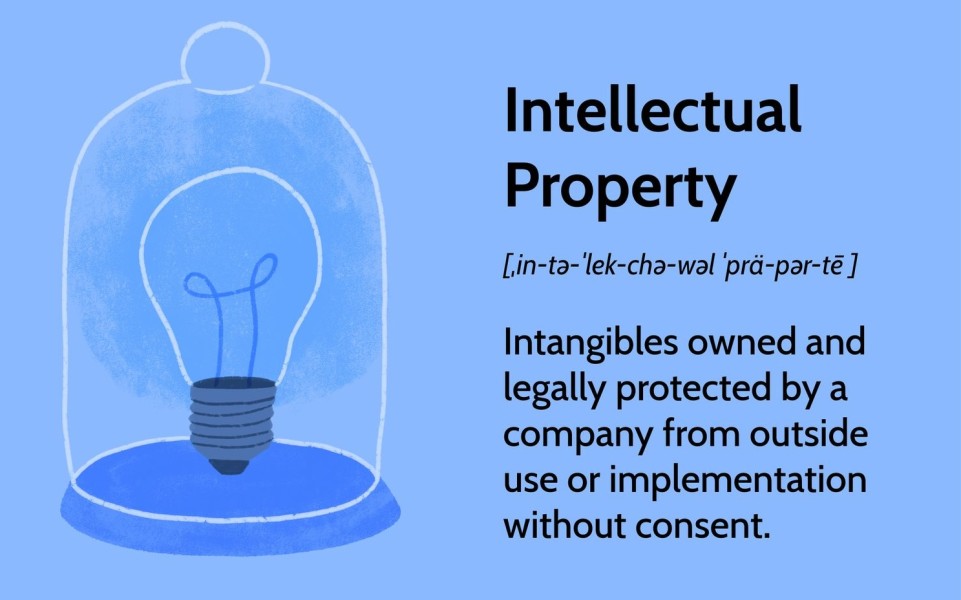
In the dynamic and innovation-driven landscape of today’s world, protecting intellectual property (IP) has become a paramount concern for individuals and businesses alike. Intellectual property encompasses creations of the mind, such as inventions, literary and artistic works, and symbols, names, and images used in commerce. As members of the legal community, we play a crucial role in safeguarding these creative assets. In this LinkedIn post, we’ll explore the importance of IP protection and the role of legal professionals in this process. 1. Defining Intellectual Property: Intellectual property can be broadly categorized into four key types: – Patents: Protecting inventions and new processes. – Trademarks: Safeguarding brand names, logos, and slogans. – Copyrights: Preserving creative works like books, music, and software. – Trade Secrets: Guarding confidential business information. Each category serves a unique purpose, and understanding which type of protection is appropriate for a given situation is a fundamental aspect of IP law. 2. Protecting Innovations with Patents: Patents are vital for inventors, creators, and businesses with groundbreaking innovations. By granting the exclusive right to use, make, or sell an invention for a specific period, patents encourage innovation and protect inventors’ financial interests. Legal professionals can help clients navigate the complex process of patent applications and ensure that their innovations are safeguarded. 3. Safeguarding Brand Identity with Trademarks: Trademarks are the embodiment of brand identity. Registering trademarks protects businesses from competitors using similar names, logos, or slogans, preventing consumer confusion. Legal professionals can assist in trademark registration and enforcement, ensuring that a brand’s image remains distinctive and valuable. 4. Preserving Creative Works with Copyrights: Copyrights protect the artistic expressions of individuals and organizations. Whether it’s a novel, a song, or a piece of software, copyright ensures that the creator has exclusive rights to their work. Legal experts can guide authors, artists, and software developers through the copyright process, from registration to enforcement. 5. Securing Trade Secrets: Trade secrets are confidential business information that provides a competitive advantage. Legal professionals help companies establish policies and agreements to protect these secrets, including non-disclosure agreements and restrictive covenants. In the event of a breach, they can also represent businesses in litigation. 6. The Role of Legal Professionals: Legal professionals are instrumental in helping clients protect their intellectual property. They provide guidance on the appropriate type of protection, assist in the application and registration processes, and represent clients in cases of infringement. They also stay updated on evolving IP laws and international treaties that impact their clients’ interests. Conclusion: In an era defined by innovation, intellectual property protection has never been more critical. Legal professionals, as guardians of creative assets, play a pivotal role in ensuring that inventors, creators, and businesses can thrive in a competitive landscape. By offering expert guidance on patents, trademarks, copyrights, and trade secrets, we help our clients safeguard their intellectual property, fostering innovation and creativity. Let’s continue to champion the protection of intellectual property, nurturing an environment where creativity and innovation can flourish. #IntellectualProperty #LegalProfessionals #IPProtection #ProLegalMinds
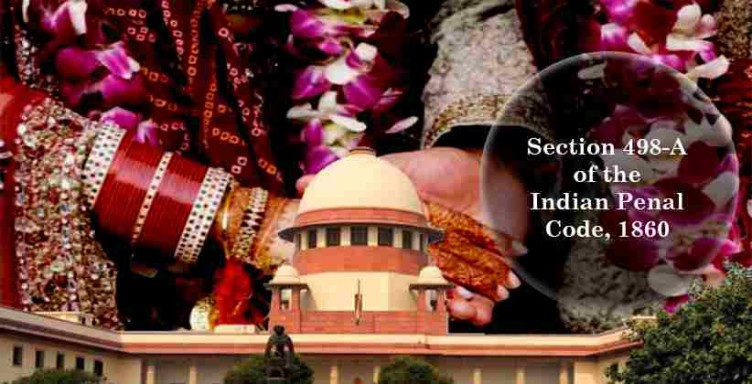
In India, the legal framework includes various laws designed to safeguard the rights and well-being of married women. Among these, Section 498A of the Indian Penal Code and the Domestic Violence Act (DVA) were enacted to address the distressing issue of cruelty and harassment faced by married women. While these laws serve a crucial purpose in ensuring the protection of women’s rights, there have been instances of their misuse, leading to false cases being filed against husbands and their families. In this comprehensive blog, we delve into the intricate dynamics of false cases under these laws and the pressing need for ethical practices in divorce proceedings. Understanding Section 498A and the DVA Section 498A of the Indian Penal Code was introduced with the noble intention of addressing the pervasive problem of cruelty and harassment faced by women in their matrimonial homes. This provision allows for the criminal prosecution of individuals accused of subjecting a woman to cruelty or harassment for dowry. In contrast, the Domestic Violence Act is a civil law that extends protection to women facing various forms of domestic violence, including physical, emotional, sexual, and economic abuse. The Unfortunate Misuse of These Laws While these laws are intended to serve as a safeguard for women’s rights, there have been troubling instances of their misuse. False cases filed under Section 498A and the DVA can have severe repercussions for the accused, including wrongful arrest, financial burdens, and the tarnishing of their reputation. In some cases, individuals resort to these laws with unethical motives, such as obtaining financial benefits or expediting the divorce process. Such misuse not only harms the accused but also undermines the credibility of the legal system. Promoting Ethical Practices in Divorce Proceedings To uphold the principles of justice and fairness, it is imperative to promote ethical practices in divorce proceedings. Below are compelling reasons why it is vital for individuals, particularly women, to refrain from unethical practices aimed at gaining financial advantage or expediting divorce: 1. Upholding the Integrity of the Legal System: – Misuse of laws such as Section 498A and the DVA threatens the integrity of the legal system, casting doubt on its ability to deliver justice. False accusations can lead to unjust arrests and undue harassment for those who are innocent. 2. Encouraging Fair and Transparent Divorce Proceedings: – Ethical practices are integral in fostering a divorce process that is fair, transparent, and respectful of the rights of all parties involved. In any divorce, an amicable resolution is often in the best interest of both spouses, particularly when children are involved. 3. Preserving Personal Integrity: – Engaging in unethical practices can significantly impact personal integrity. It is crucial to conduct oneself with honesty and fairness during divorce proceedings to maintain one’s own sense of honor and dignity. 4. Protecting the Rights of All Parties: – Marriage and divorce are complex, emotionally charged matters. It is paramount to protect the rights of all parties involved, including the accused. False cases divert attention from genuine cases of women facing real abuse, thereby hindering their ability to seek help and support. 5. Avoiding Legal Consequences: – Filing false cases under these laws can lead to perjury charges, which carry legal penalties and can further complicate the divorce proceedings. This ultimately defeats the purpose of these laws by bringing consequences upon those who misuse them. Conclusion In conclusion, while it is crucial to have legal provisions to protect the rights of married women, it is equally vital to promote ethical practices during divorce proceedings. False cases under Section 498A and the DVA can have far-reaching and deeply negative consequences, not only for the accused but also for the credibility of the legal system itself. It is our collective responsibility to ensure that the legal process is conducted with integrity, fairness, and transparency, upholding the principles of justice and protecting the rights of all parties involved in this complex and often emotionally charged process. #law #legal #justice #498a